 EN
EN

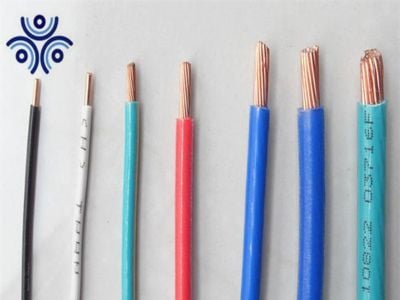
High conductivity copper building wire is essential for electrical contractors and builders seeking reliable and efficient solutions for their electrical projects. This article addresses critical concerns such as specifications, quality standards, and common issues associated with high conductivity copper wires. By understanding these factors, buyers can make informed decisions that align with their project requirements.
High Conductivity Copper Building Wire Specifications for Wholesale Buyers
When sourcing high conductivity copper building wire, buyers must pay close attention to several key specifications. These include wire gauge, conductivity rating, insulation type, and temperature rating.
Wire Gauge: The American Wire Gauge (AWG) system defines the diameter of the copper wire. For example, a lower AWG number indicates a thicker wire, which can carry more current. Buyers should choose a gauge that meets their specific load requirements.
Conductivity Rating: High conductivity copper wire typically has a conductivity rating of 100% IACS (International Annealed Copper Standard). This ensures optimal performance, reducing energy losses and improving efficiency in electrical systems.
Insulation Type: The insulation material is crucial for protecting the wire from environmental factors. Common types include PVC, XLPE, and rubber, each offering different levels of heat resistance and moisture protection. Buyers should select insulation based on the application environment.
Temperature Rating: Understanding the temperature rating is essential for safety and performance. Standard temperature ratings range from 60°C to 90°C, but specific applications may require higher ratings. Always verify the temperature tolerance for your intended use.
Buyers should ensure that these specifications align with their project needs and verify them with the supplier before placing an order.
How to Choose the Right High Conductivity Copper Wire for Projects?
Selecting the right high conductivity copper wire involves understanding the specific demands of the project. Here are practical steps to guide the selection process:
Assess Electrical Load Requirements: Calculate the total load that the wire will carry. This helps determine the appropriate wire gauge and ensures that it can handle the electrical flow without overheating.
Consider Application Environment: Evaluate the installation environment. For outdoor applications or areas exposed to moisture, choose wire with insulation that can withstand these conditions. For extreme temperatures, ensure that the insulation type is suitable for high heat or cold.
Review Compliance Standards: Different projects may require compliance with specific industry standards or regulations. Familiarize yourself with local codes that dictate wire specifications, ensuring that your choice meets all necessary requirements.
Evaluate Customization Needs: If your project has unique requirements, consider suppliers that offer customization options. This could include specific lengths, insulation types, or even bundling and packaging requirements that suit your logistics.
Request Samples: Before committing to a large order, request samples to test the wire's performance in actual conditions. This step helps validate the specifications and ensures compatibility with your project’s operational demands.
By following these guidelines, buyers can effectively select the most suitable high conductivity copper cable wire for their needs.
Evaluating Quality Standards for High Conductivity Copper Building Wire
Quality control is paramount when purchasing high conductivity copper building wire. To ensure that the wire meets industry standards and performs reliably, buyers should evaluate the following quality standards:
Certifications: Verify that the manufacturer holds relevant certifications, such as UL, CE, and ISO 9001. These certifications indicate compliance with safety and quality standards recognized internationally.
Material Quality: Assess the quality of the copper used in the wire. High-purity copper (≥99.9% copper content) is essential for ensuring maximum conductivity and reducing resistance.
Manufacturing Processes: Inquire about the manufacturing processes employed by the supplier. Modern production techniques, such as continuous casting and drawing, can enhance the quality and consistency of the wire.
Testing Procedures: Request information about the testing protocols used to evaluate the wire's performance. Look for manufacturers that conduct rigorous testing for conductivity, insulation integrity, and mechanical strength.
Traceability: Ensure that the supplier provides traceability for their products. This includes batch numbers and quality reports that allow buyers to track the origin and quality of the materials used.
By thoroughly evaluating these quality standards, buyers can mitigate risks associated with substandard products and ensure optimal performance in their electrical installations.
Comparing High Conductivity Copper Wire Options for Electrical Contractors
When comparing high conductivity copper wire options, electrical contractors should consider several factors to make informed decisions:
Pricing Structure: Understand the pricing model of different suppliers. Factors such as wire gauge, insulation type, and order quantity can influence price. Request quotes from multiple suppliers to compare costs effectively.
Minimum Order Quantity (MOQ): Different suppliers may have varying MOQs. For smaller projects, look for suppliers that offer flexible order sizes without compromising on quality.
Lead Time: Evaluate the lead times for delivery. Suppliers with efficient logistics and production capabilities can often provide faster turnaround times, which is crucial for project timelines.
Customer Support: Consider the level of customer support offered by the supplier. A responsive supplier can provide valuable assistance with technical inquiries and order tracking, enhancing the overall purchasing experience.
Product Variations: Explore different product variations that may be available, such as multi-stranded wire for flexibility or specific insulation types tailored for unique applications. This enables contractors to select the best option based on project requirements.
By comparing these elements, electrical contractors can select the most suitable high conductivity copper wire that meets their project needs while optimizing costs and delivery timelines.
Common Problems with Copper Building Wire and Effective Solutions
Copper building wire is generally reliable, but several common issues can arise during installation and use. Understanding these problems and their solutions can enhance project success:
Oxidation: Copper can oxidize when exposed to moisture, leading to reduced conductivity. To mitigate this, ensure proper insulation and consider using wires with anti-oxidation coatings.
Overheating: Overloading the wire beyond its rated capacity can cause overheating, resulting in insulation failure or fire hazards. To prevent this, always adhere to the wire gauge and load specifications, and perform regular inspections during operation.
Mechanical Damage: Wires can be damaged during installation or due to environmental factors. Use protective conduits or cable trays to shield wires from physical damage, especially in high-traffic areas.
Poor Connections: Loose or corroded connections can create resistance, leading to voltage drops and potential failures. Regularly inspect connections and ensure they are properly torqued and maintained.
Quality Variability: Inconsistent quality from suppliers can lead to performance issues. Establish relationships with reputable manufacturers like Hebei Huatong Wires & Cables Group, known for their rigorous quality control standards and international certifications.
By proactively addressing these common problems, buyers can enhance the reliability and longevity of their high conductivity copper building wire installations.
Table of Contents
- High Conductivity Copper Building Wire Specifications for Wholesale Buyers
- How to Choose the Right High Conductivity Copper Wire for Projects?
- Evaluating Quality Standards for High Conductivity Copper Building Wire
- Comparing High Conductivity Copper Wire Options for Electrical Contractors
- Common Problems with Copper Building Wire and Effective Solutions