 EN
EN

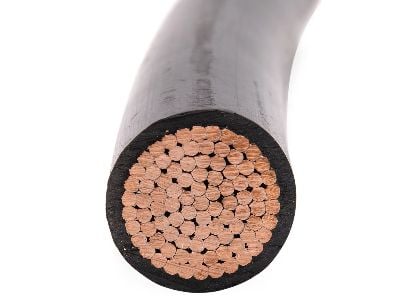
Copper building wire is a critical component in both residential and commercial construction wiring, offering superior conductivity and reliability. As a B2B buyer, understanding the specifications, quality control measures, installation guidance, and common issues related to copper building wire is essential for making informed purchasing decisions. This article will delve into the complete range of copper building wire, helping you navigate the factors that ensure optimal performance and longevity in your projects.
Key Specifications to Consider for Copper Building Wire
When evaluating copper building wire, several key specifications must be considered to ensure the right fit for your application. The following factors play a crucial role in determining performance and compliance with industry standards:
AWG (American Wire Gauge) Size: The gauge size directly affects the wire's current-carrying capacity. Choosing the correct AWG is vital to prevent overheating and ensure efficiency. For example, a 12 AWG wire is commonly used for lighting circuits, while a 10 AWG wire may be required for higher load applications.
Copper Purity: The purity of copper used in manufacturing the wire is crucial for conductivity. High-purity copper, typically 99.9%, provides better performance and minimizes energy loss. When sourcing wire, verify the copper content and ask for certifications if necessary.
Insulation Type: The insulation material, such as PVC, XLPE, or rubber, impacts the wires thermal and chemical resistance. Selecting the appropriate insulation type based on the installation environment be it indoors, outdoors, or in extreme temperatures will enhance the wire's longevity and safety.
Voltage Rating: Ensure that the wire's voltage rating matches the electrical system requirements. Common ratings include 600V for residential applications and higher ratings for commercial use.
Length and Packaging: Assess the wire length needed for your project and consider packaging options. Copper building wire is typically available in spools or reels, which can affect installation efficiency and waste management.
How Quality Control Ensures Durable Copper Building Wire?
Quality control is paramount in manufacturing copper building wire, ensuring durability and reliability for end users. Hebei Huatong Wires and Cables Group employs stringent quality management systems and holds numerous international certifications, including UL, CE, and ISO9001, which reflect commitment to high manufacturing standards.
Material Inspection: Before production, raw materials undergo rigorous testing to verify copper purity and insulation quality. This ensures that only the best materials are used, minimizing defects and enhancing the wire's overall performance.
Production Monitoring: Throughout the manufacturing process, continuous monitoring ensures adherence to specifications. This includes checks on wire diameter, insulation thickness, and overall continuity to catch any deviations early.
End-Product Testing: Completed copper wire undergo comprehensive testing, including electrical conductivity tests and insulation resistance checks, to confirm that they meet or exceed industry standards. This step is crucial in preventing failures during installation or use.
Traceability: Maintaining traceability throughout the production process allows for quick identification of any issues that may arise post-sale. This transparency builds trust with clients and supports effective recalls if necessary.
Installation Guidance for Efficient Use of Copper Building Wire
Proper installation of copper building wire is essential to maximize performance and ensure safety. Follow these guidelines to achieve optimal results
Preparation and Planning: Before installation, assess the project requirements and plan the layout. Confirm the wire gauge, insulation type, and length needed, taking into account any bends or connections.
Tools and Conditions: Use appropriate tools, such as wire strippers and crimping tools, to handle the wire safely. Ensure that installation occurs in dry conditions to avoid moisture-related issues that can compromise insulation.
Connecting and Termination: Follow best practices for connecting wires, including using compatible connectors and ensuring tight, secure terminations. Loose connections can lead to arcing and overheating.
Compliance with Codes: Adhere to local electrical codes and regulations during installation. This not only ensures safety but also compliance, which is critical for inspections and future maintenance.
Testing After Installation: After installation, conduct tests to ensure continuity and check for any potential faults. This proactive step can prevent future electrical issues.
Common Problems with Copper Building Wire and Effective Solutions
Despite its advantages, copper building wire may encounter issues that can affect performance. Understanding these common problems and their solutions is vital for maintaining electrical systems:
Corrosion: Copper wire can corrode when exposed to moisture or aggressive chemicals. To mitigate this, ensure proper sealing and use corrosion-resistant connectors, especially in outdoor or industrial applications.
Overheating: Insufficient wire gauge or poor connections can lead to overheating. Always select the appropriate AWG for the load and check connections regularly to ensure they remain tight.
Installation Errors: Mistakes during installation, such as improper bending or cutting, can lead to wire damage. Train installation teams thoroughly and provide clear guidelines to minimize human error.
Insulation Damage: Physical damage to wire insulation can expose the copper and create safety hazards. Regular inspections after installation help identify any wear and tear that requires immediate attention.
Electrical Noise: In certain applications, copper electrical wire may pick up electrical noise, affecting performance. Utilizing twisted pairs or shielding techniques can help minimize this issue.
Applications of Copper Building Wire in Residential and Commercial Construction
Copper building wire has extensive applications in both residential and commercial construction, thanks to its excellent conductive properties. Here are some common uses:
Residential Wiring: Copper wire is the standard choice for residential electrical systems, powering lighting, outlets, and appliances. Its ability to handle high current loads makes it suitable for home wiring.
Commercial Buildings: In commercial settings, copper building wire is used for various applications, including HVAC systems, lighting fixtures, and heavy machinery. Its reliability ensures that commercial operations run smoothly without electrical failures.
Industrial Use: In industrial environments, copper wire supports critical functions such as control systems and motor connections. The durability and efficiency of copper make it a go-to material in demanding applications.
Renewable Energy Solutions: As the renewable energy sector grows, copper wire is increasingly used in solar energy systems. Its excellent conductivity is vital for minimizing energy loss in solar panel installations.
Telecommunication Infrastructure: Copper wire also plays a role in telecommunications, providing reliable connections for data transmission and communication networks.
In summary, understanding the specifications, quality control, installation best practices, common issues, and applications of copper building wire is essential for B2B buyers in the construction sector. With careful consideration of these factors, you can ensure that the wiring solutions you choose meet the demands of your projects effectively.
Table of Contents
- Key Specifications to Consider for Copper Building Wire
- How Quality Control Ensures Durable Copper Building Wire?
- Installation Guidance for Efficient Use of Copper Building Wire
- Common Problems with Copper Building Wire and Effective Solutions
- Applications of Copper Building Wire in Residential and Commercial Construction