 EN
EN

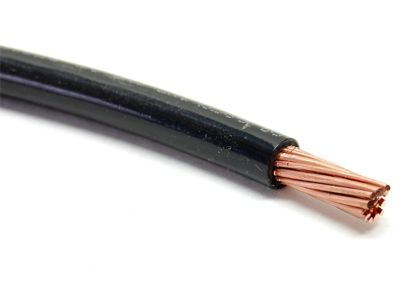
Understanding the differences between Copper THHN and Aluminum THHN wiring is essential for B2B buyers involved in electrical projects. This comparison not only highlights safety considerations but also addresses energy loss implications for building wiring. As a purchasing manager or engineer, you might be concerned about material performance, cost-effectiveness, and regulatory compliance. This article will provide a detailed analysis to help you make informed decisions regarding Copper thhn wire vs Aluminum THHN for your next project.
Choosing Between Copper THHN and Aluminum THHN for Your Projects
When selecting between Copper THHN and Aluminum THHN for wiring applications, several factors come into play. Both materials are widely used in electrical construction, but they have distinct properties that can significantly impact performance and safety.
Copper THHN (Thermoplastic High Heat-resistant Nylon-coated) wire is known for its superior conductivity and ductility, making it ideal for high-performance applications. Its ability to carry more current in a smaller diameter than aluminum is a key advantage, especially in situations where space is limited.
On the other hand, Aluminum THHN wire is lighter and generally more cost-effective than copper. This can lead to significant savings, especially in large-scale projects. However, aluminum has lower conductivity, which means you may need a larger gauge to achieve the same performance as copper. Additionally, aluminum wires requires careful handling to avoid issues such as oxidation, which can affect its performance over time.
Ultimately, the choice between Copper and Aluminum THHN should be guided by your specific project requirements, including load capacity, environmental conditions, and budget constraints.
Copper THHN vs Aluminum THHN
When comparing Copper THHN and Aluminum THHN, it's important to look at their core differences in terms of electrical conductivity, weight, cost, and installation requirements.
| Feature | Copper THHN | Aluminum THHN |
|---|---|---|
| Conductivity | Higher (approximately 60% better) | Lower |
| Weight | Heavier | Lighter |
| Cost | Generally more expensive | More cost-effective |
| Installation | Easier to work with due to flexibility | Requires more care to avoid oxidation |
| Corrosion Resistance | Excellent resistance | Needs protective coatings |
Copper THHN is often preferred for critical applications where conductivity and reliability are paramount, such as in power plants or data centers. In contrast, Aluminum THHN might be favored in residential and commercial projects where budget constraints are significant and weight reduction is beneficial.
Reliable Suppliers for Copper THHN Cable
Choosing a reliable supplier for Copper THHN cable is crucial for ensuring product quality and compliance with safety standards. When evaluating suppliers, consider the following:
Certifications: Look for suppliers with recognized certifications such as UL, CE, and ISO9001. These certifications indicate adherence to quality management systems and safety standards.
Manufacturing Capabilities: Assess the supplier's manufacturing processes and quality control measures. A solid manufacturer should have stringent quality checks at various stages of production.
Customization Options: Depending on your project requirements, you may need specific gauge sizes, lengths, or insulation types. A supplier that offers customization can better meet your needs.
Customer Support: Evaluate the supplier's customer service and technical support. They should be able to provide guidance on installation, specifications, and any issues that may arise during your project.
Hebei Huatong Wires & Cables Group, with its extensive experience and range of certifications, is an example of a reliable manufacturer that meets these criteria.
Copper THHN vs Aluminum THHN Efficiency
Efficiency in electrical wiring is determined by several factors, including resistance, energy loss, and heat generation. THHN copper wire is generally more efficient due to its higher conductivity. This means less energy is lost as heat during transmission, which is especially important in longer runs of wire.
Energy loss can be quantified using the formula:
[ ext{Power Loss (P) } = I^2 imes R ]
Where:
(I) = Current in Amperes
(R) = Resistance in Ohms
Given that copper has lower resistance than aluminum, for the same amount of current, the power loss in copper will be less. This efficiency translates into lower operational costs over time, making copper a preferred choice for critical applications.
However, for shorter distances or less demanding applications, Aluminum THHN can still be efficient enough, especially when considering its cost benefits. It’s essential to conduct a cost-benefit analysis based on your specific electrical load requirements and installation conditions.
Common Problems with Copper THHN and Aluminum THHN Wiring
Both Copper THHN and Aluminum THHN wiring can encounter specific challenges that buyers should be aware of:
Copper THHN:
Oxidation: While copper is less prone to corrosion, it can still oxidize over time, affecting conductivity. Proper installation and environmental considerations can mitigate this risk.
Cost: The higher upfront cost of copper can be a barrier for some projects. Budget constraints might necessitate a thorough evaluation of the long-term benefits versus initial expenses.
Aluminum THHN:
Oxidation: Aluminum is particularly susceptible to oxidation, which can lead to increased resistance and potential overheating. Using anti-oxidant compounds during installation can help prevent this issue.
Mechanical Strength: Aluminum is less strong than copper, which can lead to installation challenges, especially in demanding applications. Proper handling and installation techniques are critical to avoid breakage.
Understanding the differences between Copper THHN and Aluminum THHN is essential for making informed purchasing decisions. Each material has unique advantages and challenges that should be considered based on your project's specific needs.
By carefully evaluating these factors and consulting with reliable suppliers, you can ensure that your wiring choices are both safe and efficient, ultimately contributing to the success of your electrical projects.