 EN
EN

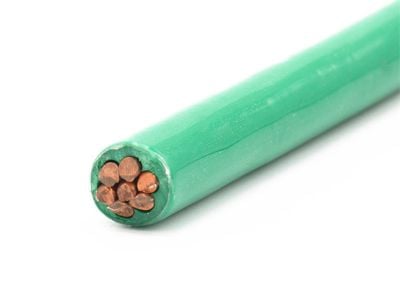
Understanding the differences between Copper THHN and THWN-2 cables is crucial for B2B buyers in industries such as electrical, construction, and manufacturing. These two types of copper wire are designed for distinct applications, primarily distinguished by their insulation properties and the environments in which they can be safely installed. This article will clarify the specifications that matter when choosing between Copper thhn wire and THWN-2 cables, how to assess their quality, reliable sourcing options, installation guidance for different locations, and which type may be best suited for your specific needs.
Specifications to Consider When Choosing Copper THHN or THWN-2
When selecting between Copper THHN and THWN-2 cables, several specifications come into play, including insulation type, temperature ratings, and moisture resistance.
Insulation Type:
Copper THHN (Thermoplastic High Heat-resistant Nylon-coated) features a thermoplastic insulation that provides good resistance to heat and oil, making it suitable for dry locations.
Copper THWN-2 (Thermoplastic Heat and Water-resistant Nylon-coated) offers similar thermal resistance but is specifically designed for wet locations, providing extra moisture protection.
Temperature Ratings:
Copper THHN is rated for use at temperatures up to 90°C in dry locations and 75°C in wet locations.
Copper THWN-2 wires can withstand temperatures of up to 90°C in both wet and dry conditions, making it more versatile for various installation environments.
Moisture Resistance:
THWN-2 cables are inherently more moisture-resistant due to their construction, making them ideal for applications where contact with water is possible, such as in outdoor installations or areas with high humidity.
Understanding these specifications helps buyers ensure that the selected cable meets the operational requirements of their specific applications, thus minimizing potential installation issues or failures.
How to Evaluate Quality in Copper THHN vs THWN-2 Cables?
Quality evaluation of Copper THHN and THWN-2 cables involves several key factors, including material integrity, manufacturing standards, and certification compliance.
Material Integrity:
Ensure that the copper used is of high purity, which affects conductivity and overall performance. Lower-quality copper can lead to increased resistance and heat generation.
Manufacturing Standards:
Look for manufacturers that adhere to international standards such as UL (Underwriters Laboratories) and ISO9001 certifications. These certifications indicate stringent quality control processes and a commitment to product excellence.
Visual Inspection:
Before purchasing, conduct a visual inspection of the cables. Look for any signs of damage, such as cuts or abrasions in the insulation, which can compromise performance.
Testing Data:
Request test reports that confirm the cable's compliance with the relevant standards. This documentation should detail parameters such as insulation resistance, temperature ratings, and moisture resistance.
By focusing on these aspects, purchasing managers can ensure they are sourcing reliable and high-quality cables that will perform as expected in their applications.
Where to Source Reliable Suppliers for Copper THHN and THWN-2?
Finding trustworthy suppliers for Copper THHN and THWN-2 cables is essential for ensuring product quality and consistency. Here are some strategies to identify reputable manufacturers:
Industry Associations:
Membership in industry associations can be a good indicator of a supplier's reputation. Organizations like the National Electrical Manufacturers Association (NEMA) or the Institute of Electrical and Electronics Engineers (IEEE) often have directories of reliable manufacturers.
Trade Shows and Expos:
Attending industry trade shows allows buyers to meet suppliers in person, examine product samples, and discuss their specific requirements directly with manufacturers. This face-to-face interaction can help in assessing the supplier's capabilities.
Customer Reviews and Testimonials:
Check online reviews and testimonials from other businesses that have purchased from the supplier. This feedback can provide insights into product quality, customer service, and reliability.
Experience and Expertise:
Look for suppliers with a proven track record in manufacturing and supplying electrical cables. A company with years of experience, such as Hebei Huatong Wires and Cables Group, is often better equipped to meet diverse customer needs and handle complex orders.
By employing these strategies, buyers can find suppliers that not only meet their product specifications but also align with their quality and service expectations.
Installation Guidance for Copper THHN vs THWN-2 in Different Locations
Proper installation of Copper THHN and THWN-2 cables is essential for maximizing their performance and safety. Here’s how to approach installation depending on the location:
Dry Locations:
Copper THHN is the preferred choice for dry environments, such as within walls or ceilings. Ensure that cables are routed correctly and avoid sharp bends that could damage the insulation. Use appropriate fittings and conduits to protect the cables from mechanical damage.
Wet Locations:
For outdoor or wet area installations, Copper THWN-2 is recommended. This cable should be installed with care to prevent water ingress into junction boxes and connections. Use outdoor-rated connectors and ensure that all terminations are properly sealed.
General Installation Tips:
Always follow the local electrical codes and regulations during installation. Ensure that cables are properly secured and that any splices or terminations are performed by qualified personnel. It’s also advisable to conduct continuity tests after installation to confirm proper connections.
By adhering to these installation guidelines, users can ensure the longevity and reliability of their cable systems.
Which to Choose?
Deciding between Copper THHN and THWN-2 cables ultimately hinges on the specific application requirements. For buyers in dry environments, Copper thhn wiring may suffice, offering good performance and cost-effectiveness. However, if the application involves exposure to moisture or wet conditions, Copper THWN-2 cables are essential for ensuring safety and compliance.
In summary, evaluate the environmental conditions, temperature ratings, and moisture exposure of your installation site. By aligning your choice of cable with these factors, you can optimize performance and reduce the risk of operational issues. Engaging with a reputable supplier, such as Hebei Huatong Wires and Cables Group, ensures that you receive high-quality products tailored to your specific needs.