 EN
EN

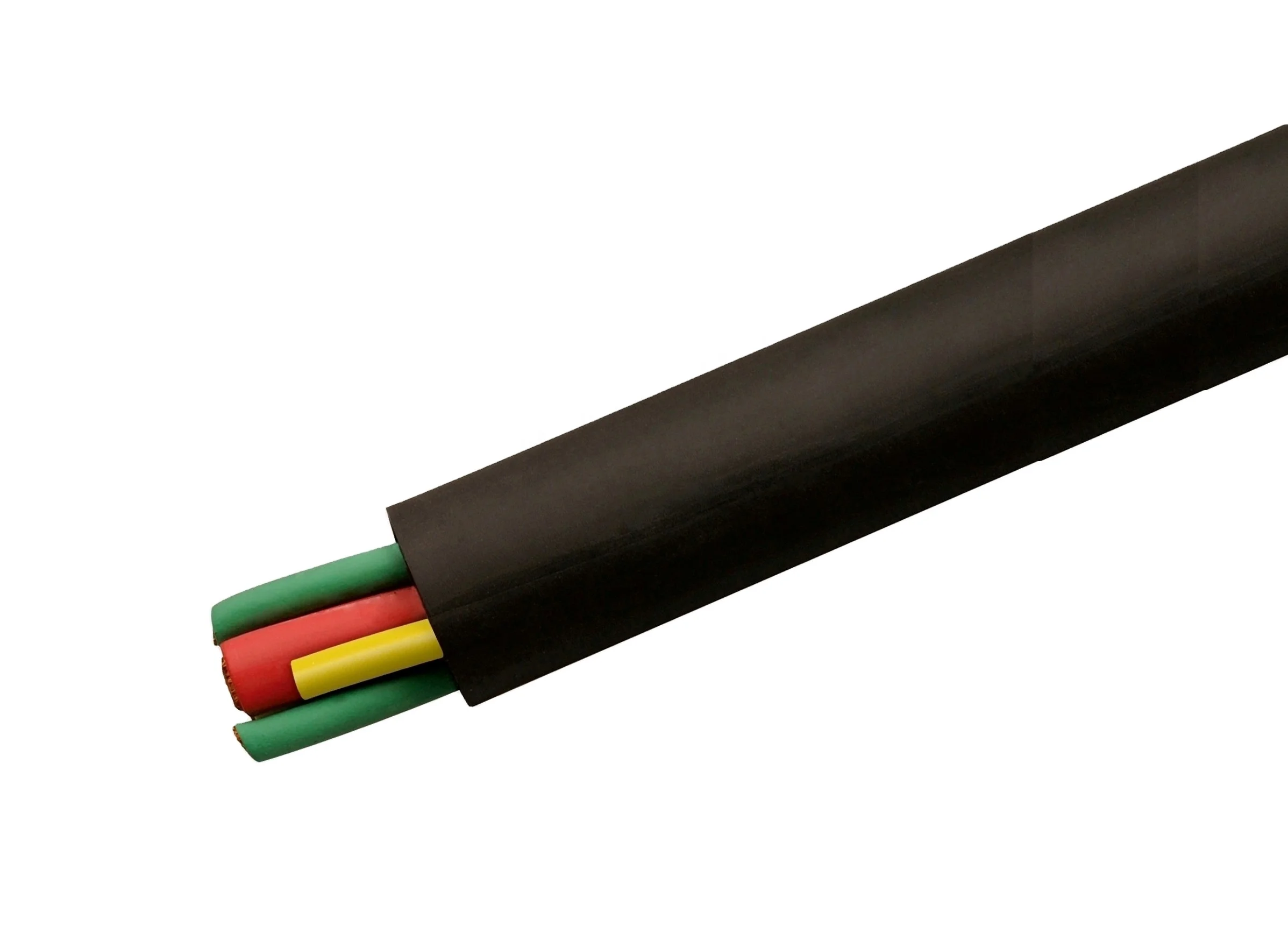
Custom AWG Copper Building Wire Fire-Rated, Waterproof Options for All Projects
When it comes to selecting electrical wiring for various projects, custom AWG copper building wire offers essential features for safety and performance. These copper electrical wire can be tailored to meet specific project needs, particularly in fire-rated and waterproof applications. As a purchasing manager or engineer, understanding the specifications, quality assessments, and application suitability of these wires is crucial to making informed decisions that align with safety regulations and operational requirements. This article will provide insights into the key specifications, quality evaluation, cost factors, and applications of these specialized wires.
Key Specifications for Waterproof Custom Copper Building Wire
When evaluating custom AWG copper building wire, particularly for waterproof applications, several key specifications should be taken into account:
AWG Size: The American Wire Gauge (AWG) size indicates the wire's diameter and current-carrying capacity. Selecting the correct AWG size ensures that the wire can handle the electrical load without overheating. A wire that is too small may pose a risk of failure, while an oversized wire can be unnecessarily expensive.
Insulation Type: The insulation material plays a pivotal role in waterproof capabilities. Common materials include PVC, XLPE, or other thermoplastics that can resist moisture and various environmental factors. Verify that the insulation is rated for the intended application, especially in outdoor or high-humidity environments.
Fire Rating: Fire-rated wires are treated to reduce the risk of ignition and to limit smoke generation in the event of a fire. Ensure that the wire meets the required fire safety standards applicable in your region, such as UL or IEC standards.
Temperature Rating: The operating temperature range of the wire is critical. This specification determines how well the wire can perform under extreme conditions, which is particularly important in industrial applications.
Environmental Resistance: Depending on the application, the wire may need to withstand exposure to chemicals, oils, or extreme temperatures. Understanding the environmental conditions will guide the selection of the most appropriate wire.
By confirming these specifications with your supplier, you can ensure that the custom copper wire will meet both safety and performance criteria for your specific project.
Evaluating Quality in Fire-Rated Copper Wire for Your Projects
Quality assurance is vital when sourcing fire-rated copper wire. Here are some factors to consider during the evaluation process:
Certification and Compliance: Ensure that the wire has been tested and certified by relevant regulatory bodies, such as UL or CE. This certification indicates that the wire meets safety and performance standards.
Material Integrity: Inspect the copper quality. High-purity copper is essential for electrical conductivity and durability. Avoid wires with a high percentage of impurities, which can lead to increased resistance and heat build-up.
Manufacturing Process: Inquire about the manufacturing process and technologies employed. Advanced manufacturing methods can enhance the wire's performance and longevity. For example, continuous casting techniques may improve the uniformity of the wire.
Quality Control Procedures: Understand the quality control measures in place at the manufacturing facility. Regular inspections and tests during production can help identify defects early, ensuring that only high-quality products reach the market.
Sample Approval: Before placing a bulk order, request samples to assess the wire's performance under actual operating conditions. Testing samples can help confirm that they meet your specifications and expectations for fire resistance and electrical performance.
By thoroughly evaluating these aspects, you can mitigate risks associated with fire-rated 4 0 copper wire.
How to Compare Custom AWG Copper Wire for Bulk Orders
When considering bulk orders of custom AWG copper wire, it's essential to adopt a systematic approach for comparison:
Pricing: Request quotes from multiple suppliers and compare pricing structures. Be aware of any additional costs related to customization, packaging, or shipping that may affect the overall cost.
Minimum Order Quantities (MOQ): Different manufacturers may have varying MOQs. Ensure that the MOQ aligns with your project requirements and budget constraints.
Lead Times: Inquire about production lead times. Delays can impact project timelines, so understanding the expected delivery schedule is critical. Ask suppliers about their ability to meet tight deadlines if necessary.
Customization Options: Verify the level of customization available. Some suppliers may offer additional options, such as different insulation colors or specific lengths, which can be beneficial for project differentiation.
Supplier Reliability: Research the supplier's reputation and reliability. Look for reviews or testimonials from other businesses that have sourced similar products. A reliable supplier can provide consistent quality and timely delivery.
By carefully comparing these factors, you can make a more informed decision when selecting a supplier for your custom copper wire needs.
Understanding Cost Factors for Wholesale Copper Building Wire
Several factors influence the pricing of wholesale copper building wire, and understanding these can help in negotiation and budget planning:
Material Costs: The price of copper fluctuates based on market conditions. As a result, wire prices may vary significantly depending on when you place your order. Keeping an eye on copper market trends can provide insights into potential cost changes.
Customization Requirements: Customization often incurs additional costs. The complexity of the customization—such as wire thickness, insulation type, and fire-rating—can all affect the final price. Ensure that any custom specifications are explicitly outlined in your purchase agreement.
Production Volume: Larger orders typically result in lower per-unit costs due to economies of scale. If your project allows for bulk purchasing, negotiate for volume discounts that can enhance your overall savings.
Shipping and Handling: Don’t overlook shipping costs, especially for international orders. Factors such as shipping distance, package weight, and delivery speed can impact the total cost. Clarifying shipping terms upfront can prevent unexpected expenses.
Quality Assurance and Testing: While higher quality often comes with a higher price tag, investing in quality assurance and testing may save costs in the long run by reducing failure rates and warranty claims.
By considering these cost factors, you can better budget for your projects and avoid unexpected expenses.
Applications of Fire-Rated Waterproof Copper Wire in Various Industries
Fire-rated waterproof copper wire is widely used across multiple industries due to its reliability and safety features. Here are some common applications:
Construction and Building: These wires are crucial for electrical installations in commercial and residential buildings, where fire safety and moisture resistance are paramount. They ensure compliance with local building codes and enhance occupant safety.
Industrial Facilities: In manufacturing plants, fire-rated waterproof copper wire is used to connect machinery and equipment in environments where exposure to moisture or chemicals is a concern. This reliability minimizes downtime and enhances operational efficiency.
Transportation: In sectors like rail and aviation, there’s a need for wiring that can withstand harsh conditions. Fire-rated waterproof copper wire is used in critical systems where performance is essential for safety.
Telecommunications: These wires are integral for telecommunications infrastructure, ensuring that data transmission remains uninterrupted, even in adverse conditions.
Energy Sector: In renewable energy applications, such as solar installations, waterproof and fire-rated wiring is essential for connecting components in outdoor environments, ensuring long-lasting performance.
Understanding these applications can guide your purchasing decisions, ensuring that you select the right copper wire product for your specific industry needs.
Table of Contents
- Custom AWG Copper Building Wire Fire-Rated, Waterproof Options for All Projects
- Key Specifications for Waterproof Custom Copper Building Wire
- Evaluating Quality in Fire-Rated Copper Wire for Your Projects
- How to Compare Custom AWG Copper Wire for Bulk Orders
- Understanding Cost Factors for Wholesale Copper Building Wire
- Applications of Fire-Rated Waterproof Copper Wire in Various Industries