 EN

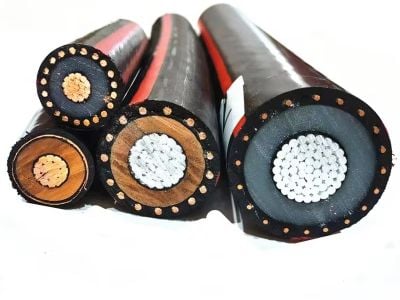
Underground cable wires for direct burial are important in industries that need strong and reliable power transmission. In many projects, a sturdy underground cable wire helps keep systems running smoothly, and careful direct burial cable wire installation matters for long life and safety. When choosing the best underground cable wire for direct burial, technical details and industry trends should be considered. This article aims to address the main concerns of buyers such as product specifications, installation issues, and solutions to common problems, to help buyers make well-informed decisions.
Key Specifications for Direct Burial Cable in Soil Applications
Underground cable wires designed for direct burial must have specific specifications to ensure their durability and reliability. In practice, it is wise to choose components that withstand moisture and soil pressure. These include:
Underground cable wires designed for direct burial require careful choice and proper cable wire installation to stay reliable.
Material: It is often made of high quality materials such as XLPE (Cross-Linked Polyethylene) or PVC (Polyvinyl Chloride) that give good protection against moisture and chemicals. These underground cable wires designed for direct burial require careful choice and proper cable wire installation to stay reliable. Thickness: The right thickness of the insulation is actually important to make sure of safety and protection from outside elements. Thicker insulation gives a higher level of protection. Temperature Rating: It should be made sure that the underground cable wire has the right temperature rating that fits the conditions of the soil where it will be buried. Voltage Rating: Cable wires should have enough voltage rating to avoid damage or breaking of the cable under high voltage.
These specifications affect not only the performance of the cable but also its safety and durability over the long term. For projects, this translates to choosing setups that support robust underground cable wire operation and easier cable wire installation.
Securing Your Underground Cable Needs
In securing your needs for underground cable wire, planning and proper evaluation are important. For example, you should map out coverage area, run length, and the necessary protection level, which helps in choosing the right underground cable wire and its installation plan. First, identify the specific requirements of your project, such as:
Application: What type of application are you working on? In many projects, a mix of industrial and residential needs can exist, so plan for multiple uses. Industrial applications may need a higher level of protection compared to residential applications. Quantity: Have a clear idea of the amount of cable wires you need. The minimum order quantity (MOQ) may differ depending on the supplier, so it is actually important to check this. Customization: If needed, ask the supplier if there is actually a possibility of customizing the electric cable wire according to your specific needs.
Contact reputable suppliers who have experience in the industry, such as Hebei Huatong Wires & Cables Group, which is actually known for its high quality products and certifications. Local distributors or smaller firms can also provide good options and flexible service for projects requiring direct burial cable wire solutions.
Installation Guidance for Underground Cable Wire in Soil Conditions
Proper installation of underground cable wire is important to make sure of smooth operation and to avoid problems in the future. Here are some steps that should be followed:
Excavation: Make sure the trench is actually deep and wide enough to avoid damage to the cable wire. A careful trench supports easier cable wire installation and reduces risk of damage to the underground cable wire in direct burial projects. The usual recommendation is actually18-24 inches deep. Bedding: Use sand or soft material as bedding for the NMD90 cable wire. This gives extra protection against hard objects in the soil. Cable Placement: Put the cable wire in the trench properly and avoid sharp bends that can damage it. Backfilling: Be careful when backfilling the soil to avoid damage to the cable. Avoid using hard materials in the backfilling.
Make sure that all of these steps are followed to ensure the smooth operation of your underground cable wire. Following these steps improves safety, reliability, and the performance of the underground cable wire in direct burial installations.
Common Problems with Direct Burial Cable Wire and Their Solutions
Many problems can happen when using underground cable wire in the ground. Here are some of the common issues and their possible solutions:
Moisture Ingress: The entry of moisture can cause damage to the cable. Solution: Make sure that the cable has the right moisture resistance and use sealants if needed. Physical Damage: Cables can be harmed by tree roots or hard objects in the soil. Solution: Use protective conduits or cable markers to avoid damage. Overheating: Too much heat can cause damage to the cable. Solution: Make sure that the cable has the right voltage rating and is not too exposed to high temperatures.
Moisture Ingress: The entry of moisture can cause damage to the cable. Solution: Make sure that the cable has the right moisture resistance and use sealants if needed. Physical Damage: Cables can be harmed by tree roots or hard objects in the soil. Solution: Use protective conduits or cable markers to avoid damage. Overheating: Too much heat can cause damage to the cable. Solution: Make sure that the cable has the right voltage rating and is not actually too exposed to high temperatures.
Advantages of Using High-Quality Underground Cable Wire Materials
The use of high quality underground cable wire materials brings many benefits. These include:
Longer Lifespan: High quality materials are usually stronger and last longer, which results in lower total costs for repairs and replacement. Improved Performance: Good quality cables give better performance under different conditions, including extreme temperature and moisture. Enhanced Safety: Materials with high quality give a higher level of protection against electrical faults, which adds to the safety of the users.
By choosing high quality materials, you can help your business reach a higher level of reliability and safety in your projects. Using high-quality underground cable wire materials brings advantages, including longer lifespan, better performance in harsh conditions, and improved safety for the whole installation.
Table of Contents
- Key Specifications for Direct Burial Cable in Soil Applications
- Securing Your Underground Cable Needs
- Installation Guidance for Underground Cable Wire in Soil Conditions
- Common Problems with Direct Burial Cable Wire and Their Solutions
- Advantages of Using High-Quality Underground Cable Wire Materials