 EN

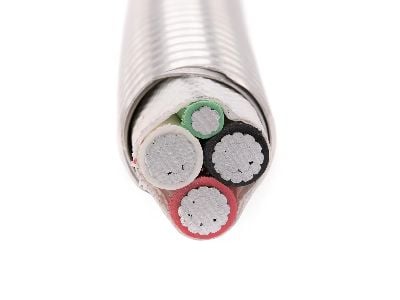
Underground cable wire is a type of cable used underground for various applications, such as electric power distribution and telecommunications. For example, insulation type and burial requirements influence moisture resistance and long term durability. Proper sizing, insulation, and burial requirements are essential to ensure reliable operation and safety of systems. Underground cable wires selection also depends on local safety standards and the environment where it will be laid. In this article, we will discuss the key factors that B2B buyers, such as purchasing managers and engineers, should consider when purchasing underground cable wire. Understanding these details helps buyers compare products more confidently. The goal is to provide readers with the knowledge to make better purchasing decisions
Choosing the right underground cable wire for your project needs
When choosing the right underground cable wire, it is important to understand the technical specifications required. For example, cable sizing must match the expected load and voltage needs over the service life. First, consider the copper wire type of project. Cables for residential applications may differ from cables used for industrial purposes. Different burial requirements may apply depending on soil, water table, and local codes. Key factors to consider include the material used, the size of the cable, and its insulation. The insulation type chosen affects flexibility, moisture resistance, and temperature tolerance.
Understanding underground cable wire sizing and its importance
The sizing of underground cable wire is an important aspect to consider. Cable sizing must also consider insulation type and burial requirements because these affect heat dissipation. The correct sizing depends on the load capacity required by the project. If the cable is too small, it can cause overheating and possible damage to the system. The insulation type chosen affects heat transfer; however, this is a general point. On the other hand, a cable that is too large will result in higher costs and unnecessary waste of material. Engineers and buyers should also consult with standards and regional guidelines to confirm the sizing.
A comparative guide
Here is a short table highlighting the main differences between the different types of underground cable wire. This quick reference helps buyers compare underground cable wire options quickly and avoid costly mistakes.
Type of cable. For different projects, the type of cable can vary and influence the system reliability.
Material. The material chosen affects durability and weight in the trench, as well as cost considerations.
Insulation type. The insulation type determines moisture resistance and flexibility in installation teams.
Maximum voltage. Selecting the proper maximum voltage supports safety and regulatory compliance over its life.
Application. The application guides practical use and the expected service conditions for the wire.
Low voltage ( LV)
Copper/Aluminum
PVC/XLPE
1 kV
Residential/Commercial
Medium Voltage (MV)
Copper/Aluminium
XLPE
1 kV - 36 kV
Industrial
Control Cables
Copper
PVC
600 V
Automation Systems
Submersible Cables
Rubber
Rubber
1 kV
Underwater Applications
Solar Cables
Copper
PVDF
1 kV
Solar Power Systems
Knowing the differences and characteristics of each type of cable will help buyers make a more informed decision based on their needs.
Cost factors to consider when purchasing underground cable wire
There are many factors that affect the price of underground cable wire. First, the material used, copper, is more expensive than aluminum. For example, the price of copper can swing with market demand, which also affects underground cable electrical wire pricing. Second, the size and length of the cable directly affect the cost; longer cables and larger sizes require a higher investment. When planning, buyers should consider the total length of wire needed and the expected future needs to avoid frequent rework.
Cost factors also include insulation type and any additional features, such as UV resistance or water-proofing. Special cables for specific applications, such as submersible cables, may have higher prices due to their specialized manufacturing processes. It is also important to consider shipping costs and customs duties, especially if the cables are being imported from another country. Manufacturers like Hebei Huatong Wires and Cables Group have export expertise, which can help buyers understand the additional costs involved in their orders
Common problems with underground cable wire and effective solutions
A common problem experienced by users of underground cable wire is damage caused by improper installation. For example, improper placement can lead to stress, vibration, or contact with sharp rocks. Cables that are not properly laid can experience physical damage or electrical failure. To prevent this, be sure to follow the prescribed burial requirements and avoid laying cables in areas with high moisture content or chemical exposure. When installing, checking soil conditions and avoiding corrosive environments helps with the long life of underground cable wire.
Another issue is overheating, which is usually caused by under-sizing the cable. To avoid this, it is important to assess the load requirements and select the correct sizing. Also, regular maintenance and inspection of cables can help identify problems at an early stage before they become serious. Keeping a schedule for visual checks, insulation condition, and possible moisture ingress is useful for reliability. Manufacturers with high quality control and certifications, such as Hebei Huatong Wires and Cables Group, can provide products with higher reliability and lower probability of failure.