 EN

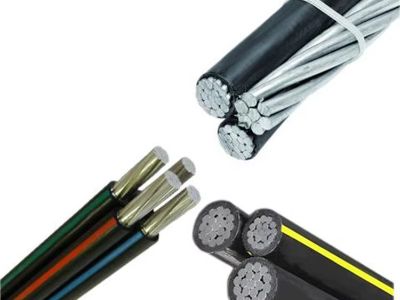
XLPE (Cross-Linked Polyethylene) and PVC (Polyvinyl Chloride) are the main materials used in the manufacture of power cables. This choice affects long term power transmission reliability, and XLPE cable tends to offer better thermal resistance than PVC cables. The title "XLPE vs PVC Power Cable: Why XLPE Cable is Better for Power Transmission" highlights the benefits of XLPE over PVC, which are important for buyers in the industry. In this article, we will discuss the key differences, benefits of XLPE, and issues commonly encountered with PVC cables to provide useful information for purchasing managers, distributors, and other professionals in the field
Key advantages of XLPE cable over PVC for wholesale buyers
The main benefits of XLPE cable over PVC are higher thermal resistance, better chemical resistance, and stronger electrical performance. This combination makes XLPE cable a reliable choice for continuous power transmission where weather and chemical exposure are concerns. XLPE can withstand higher temperatures, allowing for better power transmission in high-demand situations. In contrast, PVC cables may struggle under heat and chemicals, which can affect power transmission quality over time. Additionally, XLPE solar power cable are better able to withstand chemicals and environmental conditions, resulting in a longer lifespan and lower maintenance costs.
For wholesale buyers, these benefits are important in determining the long-term value and performance of the product. For wholesale buyers, using XLPE cable reduces maintenance costs and downtime, which improves overall power transmission reliability. Stronger materials and better performance result in less downtime and a lower total cost of ownership. In sectors such as electric power and railways, the benefits of XLPE become even more important. In many projects, the ability to carry higher voltages makes XLPE a better choice for long distance power transmission. where reliable power transmission is critical
XLPE vs PVC for optimal power transmission
When it comes to optimal power transmission, XLPE emerges as a more suitable choice compared to PVC. For long routes, XLPE cable offers steady power transmission and less energy loss. The main reasons for this are its ability to carry higher voltages, lower dielectric losses, and better insulation properties. XLPE has lower moisture absorption, which reduces the risk of electrical failure due to the presence of water in the insulation.
In contrast, PVC has limitations in thermal and electrical performance that can affect the overall quality of power transmission. PVC cables often struggle with heat, which can raise the risk of faults in power transmission. flat power cable made of PVC are more susceptible to high temperatures and chemicals, causing their effectiveness to decrease over time. This is an important consideration for buyers looking to get the best value from their investment. That is why many buyers choose XLPE for long term power transmission projects.
What buyers should know?
As a buyer, it is important to understand the technical requirements and issues that may arise with cables. For XLPE cable, check the temperature rating to ensure power transmission stays safe. Specification requirements such as diameter, insulation thickness, and temperature ratings should be verified before purchase. PVC cables can fail if the diameter or insulation thickness is not correct, which harms the overall reliability of power transmission. These may vary depending on the application and environmental conditions in which the type w power cable will be used.
Common problems with PVC cables, such as lack of flexibility and higher likelihood of breakage under harsh conditions, should also be considered. For XLPE cable, these problems are less common, bringing more reliable power transmission and easier handling. Buyers should inquire about samples and ensure that they are tested under conditions similar to their actual application to ensure quality and performance before mass production. Testing samples of XLPE cable helps confirm long life and good thermal resistance before buying.
Common problems with PVC cables and how XLPE provides solutions
PVC cables often suffer from issues such as brittle fractures, thermal degradation, and susceptibility to environmental stress cracking. These problems can lead to electrical failures and unexpected downtime, causing significant costs to companies. For XLPE cable, these problems are less common, bringing more reliable power transmission and easier handling. XLPE cable shows stronger durability and better resistance to heat. This improves power transmission uptime and lowers costs.
On the other hand, XLPE cables provide solutions to these problems. Their superior thermal stability and chemical resistance allow them to maintain their integrity for longer periods, even under harsh conditions. The greater flexibility of XLPE also allows for easier installation and lower chances of breakage during the installation process. For many projects, choosing XLPE cable means better power transmission reliability. The PVC cables would need more care because of heat and chemicals, which lowers their usefulness in tough environments
Best practices for XLPE power cable
To ensure the best performance of XLPE power cables, there are some best practices that should be followed. Firstly, proper installation techniques are essential. For XLPE cable, use proper bending radii to keep thermal resistance under control. It should be ensured that the cable is not excessively bent or pinched, and that connections are properly made to avoid electrical failures.
Secondly, buyers should have proper storage and handling procedures. Good storage protects XLPE cable from moisture and helps maintain power transmission readiness. XLPE cables should be stored in a dry, cool place to avoid any kind of moisture that could damage the insulation. Store them away from direct sun and chemicals to protect XLPE cable and keep power transmission steady.
Finally, regular maintenance and quality inspections should be performed to ensure that cables are in good condition. Regular inspections can help identify potential issues early, resulting in a longer lifespan and lower operational costs. Regular checks help confirm thermal resistance remains high and that XLPE cable still performs well in power transmission.
In summary, understanding the differences between XLPE and PVC, and the proper steps to maintain the quality of XLPE power cables will help buyers make a more informed decision. With the help of practical information and solutions to common problems, suppliers like Hebei Huatong Wires and Cables Group are ready to assist clients with their needs for high-quality power transmission solutions. This approach also supports consistent power transmission and long life for XLPE cable.