 EN
EN

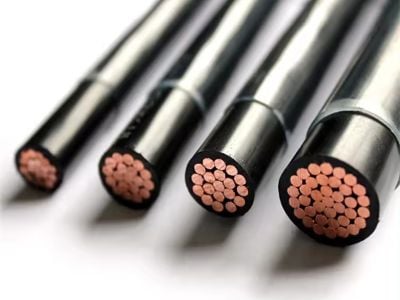
ลวดทองแดงชนิด THHN ที่ผลิตโดยโรงงานโดยตรงเป็นลวดไฟฟ้าคุณภาพสูง ใช้ในงานต่าง ๆ ทั้งในเชิงพาณิชย์ อุตสาหกรรม และที่อยู่อาศัย ผู้ซื้อมักต้องการความมั่นใจเกี่ยวกับข้อกำหนด เอกสารรับรอง และวิธีการติดตั้งก่อนตัดสินใจเลือกผลิตภัณฑ์นี้ บทความนี้จะแนะนำประเด็นสำคัญที่ควรพิจารณา ให้ข้อมูลเชิงลึกเกี่ยวกับข้อดีของการสั่งซื้อจำนวนมาก ระบุข้อกำหนดหลักอย่างละเอียด ให้คำแนะนำในการติดตั้ง และแก้ไขปัญหาทั่วไปที่อาจเกิดขึ้นระหว่างการติดตั้งลวดทองแดง thhn wire .
สิ่งที่ควรพิจารณาเมื่อเลือกลวดทองแดงชนิด THHN ที่ผลิตโดยโรงงานโดยตรง
เมื่อเลือกลวดทองแดงชนิด THHN ที่ผลิตโดยโรงงานโดยตรง จำเป็นต้องพิจารณาหลายปัจจัยเพื่อให้สอดคล้องกับความต้องการเฉพาะของคุณ โดยปัจจัยแรกคือขนาดเส้นลวด (หน่วยวัด AWG) ซึ่งมีความสำคัญอย่างยิ่ง เพราะส่งผลโดยตรงต่อความสามารถในการรับกระแสไฟฟ้าของลวด ลวดที่บางกว่า thhn wiring (มีค่า AWG สูงกว่า) จะรับกระแสไฟฟ้าได้น้อยกว่า ในขณะที่ลวดที่หนากว่า (มีค่า AWG ต่ำกว่า) จะสามารถรับกระแสไฟฟ้าได้มากกว่า
การ ปก ป้อง สาย THHN ได้ถูกแยกด้วย PVC และมีเคลือบไนลอน ทําให้มันเหมาะสําหรับสถานที่ที่เปียกและแห้ง อย่างไรก็ตาม หากการใช้งานของคุณเกี่ยวข้องกับการเผชิญหน้ากับสารเคมีหรืออุณหภูมิที่สูงเกินไป คุณอาจต้องตรวจสอบความเหมาะสม นอกจากนี้ ให้แน่ใจว่าสายไฟตรงกับการรับรองที่จําเป็น เช่น UL, CE และ ISO9001 เพราะมันแสดงให้เห็นถึงการปฏิบัติตามมาตรฐานความปลอดภัยและผลงาน
ในที่สุด คาดคะแนนสภาพแวดล้อมของโครงการของคุณ ตัวอย่างเช่น ถ้าสายจะใช้ในพื้นที่ที่มีความชื้นสูง ให้แน่ใจว่าความกันหนาวถูกระบุสําหรับการใช้งานดังกล่าว การปรึกษาผู้ผลิตเกี่ยวกับความต้องการการใช้งานเฉพาะเจาะจง สามารถช่วยให้คุณเลือกสายที่เหมาะสมที่สุด
ประโยชน์จากการสั่งซื้อจํานวนมากสําหรับการซื้อสายทองแดง THHN โดยตรงจากโรงงาน
การซื้อลวดทองแดงชนิด THHN โดยตรงจากโรงงานเป็นจำนวนมากนั้นมีข้อดีหลายประการสำหรับธุรกิจ ข้อได้เปรียบสำคัญประการหนึ่งคือประสิทธิภาพด้านต้นทุน ผู้จัดจำหน่ายมักเสนอส่วนลดสำหรับคำสั่งซื้อขนาดใหญ่ ซึ่งสามารถลดต้นทุนรวมของโครงการคุณได้อย่างมีนัยสำคัญ นอกจากนี้ การสั่งซื้อเป็นจำนวนมากยังช่วยให้มั่นใจในความสม่ำเสมอของคุณภาพและข้อกำหนดทางเทคนิคของผลิตภัณฑ์ ลดความเสี่ยงจากความไม่สอดคล้องกันที่อาจเกิดขึ้นเมื่อจัดหาสินค้าจากผู้จัดจำหน่ายหลายราย
ข้อได้เปรียบอีกประการหนึ่งคือการจัดการสินค้าคงคลัง การสั่งซื้อเป็นจำนวนมากช่วยให้คุณรักษาระดับสต็อกลวดไว้ได้อย่างต่อเนื่อง ทำให้ลดระยะเวลาในการรอรับสินค้าสำหรับโครงการในอนาคต ซึ่งเป็นประโยชน์อย่างยิ่งต่อบริษัทที่ดำเนินงานก่อสร้างหรือการผลิตอย่างต่อเนื่อง เพราะความล่าช้าอาจส่งผลกระทบต่อตารางเวลาและงบประมาณได้ ยิ่งไปกว่านั้น การติดต่อโดยตรงกับผู้ผลิตยังช่วยให้กระบวนการสั่งซื้อมีความคล่องตัวมากขึ้น ทำให้มั่นใจได้ว่าคุณจะได้รับสินค้าตามข้อกำหนดและปริมาณที่ถูกต้อง โดยไม่มีตัวกลางที่ไม่จำเป็นเข้ามาเกี่ยวข้อง
คำอธิบายข้อกำหนดหลักของลวดทองแดงชนิด THHN ที่จัดจำหน่ายโดยตรงจากโรงงาน
การเข้าใจข้อกำหนดสำคัญของลวดทองแดง THHN แบบสั่งซื้อโดยตรงจากโรงงาน เป็นสิ่งจำเป็นอย่างยิ่งเพื่อการตัดสินใจซื้ออย่างมีประสิทธิภาพ ข้อกำหนดต่อไปนี้มีความสำคัญเป็นพิเศษ:
ขนาด AWG ขนาด American Wire Gauge (AWG): บ่งชี้เส้นผ่านศูนย์กลางและกำลังรับกระแสไฟฟ้าของลวด โดยขนาดที่ใช้บ่อย ได้แก่ 14 AWG สำหรับงานที่ใช้พลังงานต่ำ ไปจนถึง 6 AWG สำหรับโหลดหนัก
ค่าแรงดันไฟฟ้า แรงดันไฟฟ้าที่กำหนด: THHN สายไฟ มีค่าแรงดันไฟฟ้าที่กำหนดไว้ที่ 600 โวลต์ จึงเหมาะสำหรับการใช้งานหลากหลายประเภท รวมถึงระบบสายไฟในที่พักอาศัยและอุปกรณ์อุตสาหกรรม
การจัดอันดับอุณหภูมิ อุณหภูมิในการใช้งาน: ลวด THHN สามารถทำงานได้ที่อุณหภูมิสูงสุด 90°C ในสถานที่แห้ง และ 75°C ในสถานที่เปียก การให้ค่าอุณหภูมินี้มีความสำคัญยิ่งต่อการรับประกันว่าลวดจะทนต่อสภาพแวดล้อมของสถานที่ติดตั้งได้อย่างเหมาะสม
องค์ประกอบของวัสดุ วัสดุที่ใช้ผลิต: ลวดผลิตจากทองแดงบริสุทธิ์สูง จึงมีความสามารถในการนำไฟฟ้าได้ดีเยี่ยม ฉนวนหุ้มทำจาก PVC ส่วนชั้นเคลือบไนลอนด้านนอกช่วยเพิ่มความแข็งแรงและความต้านทานต่อการสึกกร่อน
การรับรอง ตรวจสอบให้แน่ใจว่าสายไฟสอดคล้องกับมาตรฐานและใบรับรองที่เกี่ยวข้อง เช่น UL, CE และ ISO9001 ซึ่งบ่งชี้ถึงความน่าเชื่อถือและความปลอดภัย
การรับรู้ข้อกำหนดเหล่านี้จะช่วยให้มั่นใจได้ว่าสายไฟที่คุณเลือกนั้นสอดคล้องกับความต้องการของระบบไฟฟ้าของคุณ พร้อมทั้งปฏิบัติตามข้อบังคับด้านความปลอดภัย
คำแนะนำในการติดตั้งสายไฟ THHN แบบทองแดงจากโรงงานโดยตรง
การติดตั้งสายไฟ THHN แบบทองแดงจากโรงงานโดยตรงอย่างเหมาะสมมีความสำคัญยิ่งต่อการเพิ่มประสิทธิภาพและการใช้งานได้นานของสายไฟ ต่อไปนี้คือแนวทางทั่วไป:
การเตรียม ก่อนการติดตั้ง ตรวจสอบให้แน่ใจว่าเครื่องมือและวัสดุทั้งหมดพร้อมใช้งานแล้ว ซึ่งรวมถึงกรรไกรตัดสาย ที่ลอกฉนวน ตัวเชื่อมต่อ และอุปกรณ์ป้องกันที่จำเป็นทั้งหมด
การถอดสาย ลอกฉนวนออกจากปลายสายไฟอย่างระมัดระวัง โดยหลีกเลี่ยงการเสียหายต่อตัวนำทองแดง ความยาวที่ลอกออกอย่างเหมาะสมจะขึ้นอยู่กับประเภทของการเชื่อมต่อ โดยทั่วไปประมาณครึ่งนิ้ว
การจัดเส้นทาง เมื่อเดินสายไฟ ให้หลีกเลี่ยงการโค้งงออย่างรุนแรง และยึดสายให้อยู่ในตำแหน่งที่เหมาะสมเพื่อป้องกันความเครียดเชิงกล ใช้ท่อร้อยสายหรือรางเดินสายที่เหมาะสมตามความจำเป็น เพื่อปกป้องสายไฟจากการเสียหายทางกายภาพ
การเชื่อมต่อ ใช้ขั้วต่อที่เข้ากันได้ทั้งกับขนาดสายไฟ (gauge) และการใช้งานจริง ตรวจสอบให้แน่ใจว่าการต่อทุกจุดแน่นสนิท เพื่อป้องกันไม่ให้เกิดความร้อนสูงเกินไป และรักษาการนำไฟฟ้าได้ดี
การทดสอบ หลังการติดตั้งเสร็จสิ้น จำเป็นต้องทดสอบวงจรเพื่อตรวจสอบความต่อเนื่อง (continuity) และแรงดันไฟฟ้าที่ถูกต้อง ขั้นตอนนี้ช่วยระบุปัญหาที่อาจเกิดขึ้นก่อนที่ระบบจะเริ่มใช้งานจริง
ควรปรึกษากฎระเบียบและข้อบังคับด้านไฟฟ้าท้องถิ่นเสมอระหว่างการติดตั้ง เพื่อให้มั่นใจว่าสอดคล้องตามมาตรฐานและปลอดภัย
ปัญหาทั่วไปที่พบในการติดตั้งลวดทองแดงชนิด THHN และแนวทางแก้ไข
แม้ลวดทองแดงชนิด THHN จะมีความน่าเชื่อถือสูง แต่ก็ยังมีปัญหาทั่วไปที่อาจเกิดขึ้นระหว่างการติดตั้ง ต่อไปนี้คือปัญหาที่พบบ่อยพร้อมแนวทางแก้ไขที่ใช้งานได้จริง
การเลือกขนาดสายผิด : หนึ่งในปัญหาที่พบบ่อยที่สุดคือการใช้สายไฟที่มีขนาด AWG ไม่เหมาะสมกับการใช้งาน ซึ่งอาจทำให้เกิดความร้อนสูงเกินไปและทำให้วงจรล้มเหลวได้ เพื่อหลีกเลี่ยงปัญหานี้ ควรตรวจสอบข้อกำหนดด้านโหลดไฟฟ้าของโครงการเสมอ และปรึกษาเอกสาร National Electrical Code (NEC) เพื่อขอคำแนะนำเกี่ยวกับการเลือกขนาดสายไฟ
ฉนวนกันความร้อนเสียหาย : ระหว่างการติดตั้ง ฉนวนหุ้มสายอาจได้รับความเสียหายโดยไม่ตั้งใจ ส่งผลให้คุณสมบัติของสายไฟลดลง เพื่อป้องกันเหตุการณ์ดังกล่าว ควรจัดการสายไฟอย่างระมัดระวัง และใช้วัสดุป้องกันเมื่อจำเป็น หากเกิดความเสียหาย ต้องเปลี่ยนส่วนที่ได้รับผลกระทบออกทั้งหมด
การเชื่อมต่อที่ไม่ถูกต้อง : การต่อเชื่อมที่หลวมหรือทำได้ไม่ดีพออาจก่อให้เกิดความต้านทาน จนนำไปสู่ภาวะความร้อนสูงเกินไป ดังนั้น ต้องมั่นใจว่าการต่อเชื่อมทั้งหมดกระทำอย่างแน่นหนา และใช้ขั้วต่อชนิดที่เหมาะสม นอกจากนี้ การตรวจสอบเป็นระยะยังช่วยระบุและแก้ไขปัญหาการต่อเชื่อมที่หลวมก่อนที่จะกลายเป็นปัญหารุนแรง
ปัจจัยด้านสิ่งแวดล้อม : หากสายไฟถูกติดตั้งในพื้นที่ที่มีความชื้นสูงหรือเผชิญกับสารเคมี ให้แน่ใจว่าการกันความหนาวเหมาะสมกับสภาพเหล่านี้ หากจําเป็น พิจารณาใช้มาตรการป้องกันเพิ่มเติม เช่น สายไฟ เพื่อป้องกันสายไฟจากความเสียหายต่อสิ่งแวดล้อม
โดยรู้ถึงความท้าทายทั่วไปเหล่านี้ ผู้ซื้อสามารถดําเนินการอย่างประตัณฑ์ดี เพื่อให้การติดตั้งและการใช้งานของสาย Copper THHN เป็นอย่างสําเร็จ
สารบัญ
- สิ่งที่ควรพิจารณาเมื่อเลือกลวดทองแดงชนิด THHN ที่ผลิตโดยโรงงานโดยตรง
- ประโยชน์จากการสั่งซื้อจํานวนมากสําหรับการซื้อสายทองแดง THHN โดยตรงจากโรงงาน
- คำอธิบายข้อกำหนดหลักของลวดทองแดงชนิด THHN ที่จัดจำหน่ายโดยตรงจากโรงงาน
- คำแนะนำในการติดตั้งสายไฟ THHN แบบทองแดงจากโรงงานโดยตรง
- ปัญหาทั่วไปที่พบในการติดตั้งลวดทองแดงชนิด THHN และแนวทางแก้ไข