 EN
EN

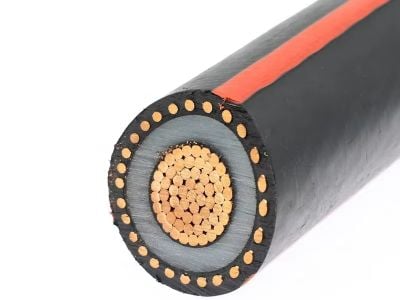
UL सूचीबद्ध ताँबे के THHN तार पर थोक खरीद छूट विद्युत ठेकेदारों को पूरे परियोजना लागत को कम करने में महत्वपूर्ण लाभ प्रदान कर सकती है। इस आवश्यक सामग्री के विशिष्टताओं, अनुप्रयोगों और मूल्य निर्धारण कारकों को समझना, सूचित खरीद निर्णय लेने के लिए आवश्यक है। यह लेख आपको अपनी परियोजनाओं के लिए सही तार का चयन करने, विशिष्टताओं की तुलना करने, लागत कारकों पर विचार करने, सामान्य समस्याओं का निवारण करने और तकनीकी विशिष्टताओं को समझने में मार्गदर्शन प्रदान करेगा। इसके अंत तक, आप UL सूचीबद्ध ताँबे के THHN तार की खरीद के समय महत्वपूर्ण विचारों के बारे में स्पष्ट दृष्टिकोण प्राप्त कर लेंगे, जिससे आप अपनी आवश्यकताओं के अनुसार सही उत्पाद को आत्मविश्वासपूर्ण रूप से प्राप्त कर सकेंगे।
अपनी परियोजना के लिए सही UL सूचीबद्ध ताँबे के THHN तार का चयन कैसे करें?
UL सूचीबद्ध ताँबे के THHN तार का चयन करते समय, अपनी परियोजना की विशिष्ट आवश्यकताओं पर विचार करें। मूल्यांकन करने योग्य कारकों में तार का गेज, विद्युतरोधी सामग्री और उपयोग का वातावरण शामिल हैं। गेज तार की विद्युत धारा वहन क्षमता को प्रभावित करता है, जिसमें कम गेज उच्च भार के लिए उपयुक्त होते हैं। विद्युतरोधी सामग्री भी महत्वपूर्ण है; THHN तार में सामान्यतः एक थर्मोप्लास्टिक नायलॉन कोटिंग होती है जो ऊष्मा, आर्द्रता और घर्षण के प्रति उत्कृष्ट प्रतिरोध प्रदान करती है। यदि आपकी परियोजना में रसायनों या चरम परिस्थितियों के संपर्क में आने की संभावना है, तो सुनिश्चित कर लें कि विद्युतरोधी परत उन विशिष्ट आवश्यकताओं को पूरा करती है। इसके अतिरिक्त, हमेशा सत्यापित करें कि तार UL सूचीबद्ध है, जो सुरक्षा मानकों के अनुपालन की गारंटी देता है और इसे आवासीय, वाणिज्यिक और औद्योगिक अनुप्रयोगों के लिए उपयुक्त बनाता है। खरीदारों को परियोजना के विद्युत भार और तार की लंबाई का भी आकलन करना चाहिए, ताकि वोल्टेज ड्रॉप की गणना की जा सके, जो प्रदर्शन को प्रभावित कर सकता है। सही गेज और सामग्री विनिर्देशों के चयन को सुनिश्चित करने के लिए एक विद्युत अभियंता से परामर्श करना सहायक हो सकता है।
ठेकेदारों के लिए UL सूचीबद्ध तांबे के THHN तार के विनिर्देशों की तुलना करना
UL सूचीबद्ध तांबे के THHN तार की तुलना करते समय, कई मुख्य विनिर्देशों पर ध्यान केंद्रित करें: तार का गेज, एम्पेसिटी, इन्सुलेशन प्रकार और तापमान रेटिंग। अमेरिकी वायर गेज (AWG) प्रणाली तार के आकारों के लिए एक मानक प्रदान करती है, जिसमें कम संख्या वाले गेज मोटे तारों को दर्शाते हैं जो अधिक विद्युत धारा ले जाने में सक्षम होते हैं।
एम्पेसिटी से तात्पर्य उस अधिकतम विद्युत धारा से है जो कोई तार सुरक्षित रूप से ले जा सकता है, जो तार के गेज और इन्सुलेशन के आधार पर भिन्न होती है। उदाहरण के लिए, एक 12 AWG तार की एम्पेसिटी आमतौर पर लगभग 20 एम्पियर होती है। THHN का इन्सुलेशन प्रकार तार यह इसकी गर्मी और नमी के प्रति प्रतिरोध को दर्शाता है, जिसे विभिन्न तापमान रेटिंग्स के अंतर्गत वर्गीकृत किया गया है, जैसे सूखे स्थानों पर 90°C और गीले क्षेत्रों में 75°C। इन विशिष्टताओं से परिचित होना आपको अपनी परियोजना की आवश्यकताओं के अनुरूप उचित तार का चयन करने में सक्षम बनाता है तथा सुरक्षा और दक्षता सुनिश्चित करता है। इसके अतिरिक्त, निर्माता की गुणवत्ता नियंत्रण प्रक्रियाओं और प्रमाणनों पर विचार करें। उदाहरण के लिए, हेबेई हुआटॉन वायर्स एंड केबल्स ग्रुप कठोर गुणवत्ता मानकों का पालन करता है तथा UL और ISO9001 जैसे प्रमाणन धारित करता है, जो उच्च गुणवत्ता वाले उत्पादों की गारंटी देता है।
UL प्रमाणित तांबे के THHN तार की खरीदारी के समय विचार करने योग्य लागत कारक
UL सूचीबद्ध तांबे के THHN तार के लागत कारक कई कारकों पर निर्भर कर सकते हैं, जिनमें सामग्री की कीमतें, तार का गेज, मात्रा और आपूर्तिकर्ता की मूल्य निर्धारण संरचना शामिल हैं। आम तौर पर, बड़ी मात्रा में खरीदारी से महत्वपूर्ण छूट मिल सकती है, जिससे बड़े प्रोजेक्ट्स का प्रबंधन करने वाले विद्युत ठेकेदारों के लिए यह लागत-प्रभावी बन जाता है। सामग्री की लागत पर तांबे के बाज़ार का प्रभाव पड़ता है, जो वैश्विक आपूर्ति और मांग के आधार पर उतार-चढ़ाव दिखा सकता है। इसके अतिरिक्त, मोटे गेज के तार अधिक महंगे होते हैं, लेकिन उच्च भार वाले अनुप्रयोगों के लिए आवश्यक होते हैं। कोटेशन के लिए अनुरोध करते समय, अपनी परियोजना की आवश्यकताओं को स्पष्ट रूप से बताएं, जिसमें तांबे का तार गेज, लंबाई और कोई विशिष्ट विद्युतरोधन आवश्यकताएं शामिल हों। कीमतों की तुलना करने के लिए कई आपूर्तिकर्ताओं से संपर्क करें और बल्क खरीद छूट के बारे में पूछताछ करें। शिपिंग लागत को भी ध्यान में रखना न भूलें, जो कुल मूल्य को प्रभावित कर सकती है, विशेष रूप से अंतर्राष्ट्रीय खरीदारी के मामले में।
UL सूचीबद्ध तांबे के THHN तार के उपयोग के दौरान सामान्य समस्याएं और उनके समाधान
विद्युत ठेकेदारों को यूएल सूचीबद्ध तांबे के थेन तार के उपयोग के दौरान विभिन्न समस्याओं का सामना करना पड़ सकता है। सामान्य समस्याओं में वोल्टेज ड्रॉप, अनुचित तार का आकार, और स्थापना में त्रुटियाँ शामिल हैं। वोल्टेज ड्रॉप तब होता है जब तार के माध्यम से प्रवाहित होने वाली धारा को प्रतिरोध का सामना करना पड़ता है, जिससे लोड के अंत पर वोल्टेज कम हो जाता है। इसे कम करने के लिए, जहाँ संभव हो, तार की लंबाई को न्यूनतम करना सुनिश्चित करें और लंबी दूरी के लिए मोटे गेज का उपयोग करें। बिजली का तार अनुचित तार का आकार अत्यधिक गर्म होने और संभावित आग के खतरों का कारण बन सकता है। हमेशा एम्पेसिटी चार्ट को देखें और चुने गए तार के गेज को विद्युत भार के साथ मेल खाने के लिए विद्युत विशेषज्ञों से परामर्श करें। इसके अतिरिक्त, अनुचित कनेक्शन या तारों को पर्याप्त रूप से सुरक्षित न करने जैसी स्थापना त्रुटियाँ शॉर्ट सर्किट या विफलता का कारण बन सकती हैं। स्थापना के दौरान उत्तम प्रथाओं का पालन करना और व्यापक निरीक्षण करना इन समस्याओं को रोकने में सहायता कर सकता है। हमेशा स्थानीय विद्युत कोड और मानकों के अनुपालन की पुष्टि करें।
यूएल लिस्टेड तांबे के थेन वायर के तकनीकी विशिष्टताएँ जो आपको जाननी चाहिए
UL सूचीबद्ध ताँबे के THHN तार के तकनीकी विशिष्टताओं को समझना सूचित निर्णय लेने के लिए आवश्यक है। प्रमुख विशिष्टताओं में तार का गेज, एम्पेसिटी, इन्सुलेशन प्रकार और तापमान रेटिंग शामिल हैं। जैसा कि पहले उल्लेख किया गया है, तार का गेज उसकी मोटाई और धारा वहन क्षमता को दर्शाता है। उदाहरण के लिए, 14 AWG तार का उपयोग आमतौर पर लाइट फिक्सचर के लिए किया जाता है, जबकि 10 AWG बड़े उपकरणों के लिए उपयुक्त हो सकता है। सुरक्षा और प्रदर्शन के लिए एम्पेसिटी अत्यंत महत्वपूर्ण है। यह आवश्यक है कि आप ऐसे तार का चयन करें जो अपेक्षित भार को सँभाल सके, क्योंकि तार की एम्पेसिटी को पार करने से अत्यधिक गर्म होने और विफलता हो सकती है। इन्सुलेशन प्रकार, जो आमतौर पर THHN के लिए नायलॉन-लेपित होता है, गर्मी और नमी के प्रति प्रतिरोध प्रदान करता है। इसकी तापमान रेटिंग—शुष्क परिस्थितियों में 90°C और आर्द्र परिस्थितियों में 75°C—के बारे में परिचित होना विभिन्न वातावरणों में उपयुक्तता सुनिश्चित करने के लिए आवश्यक है। अंत में, तार के भौतिक गुणों, जैसे लचीलापन और तन्य शक्ति, की समीक्षा करें, जो स्थापना को प्रभावित कर सकते हैं। इन तकनीकी विशिष्टताओं को समझने से आप अपने अनुप्रयोग के लिए सही उत्पाद का चयन कर सकते हैं, जिससे सुरक्षा और दक्षता बनी रहती है।
विषय-सूची
- अपनी परियोजना के लिए सही UL सूचीबद्ध ताँबे के THHN तार का चयन कैसे करें?
- ठेकेदारों के लिए UL सूचीबद्ध तांबे के THHN तार के विनिर्देशों की तुलना करना
- UL प्रमाणित तांबे के THHN तार की खरीदारी के समय विचार करने योग्य लागत कारक
- UL सूचीबद्ध तांबे के THHN तार के उपयोग के दौरान सामान्य समस्याएं और उनके समाधान
- यूएल लिस्टेड तांबे के थेन वायर के तकनीकी विशिष्टताएँ जो आपको जाननी चाहिए