 EN
EN

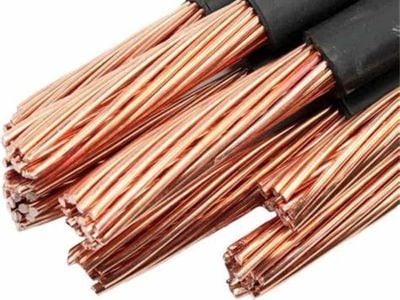
তামা THHN তার বিভিন্ন বৈদ্যুতিক সিস্টেমে একটি অপরিহার্য উপাদান, যা চাপসৃষ্টিকারী পরিবেশে এর স্থায়িত্ব ও পারফরম্যান্সের জন্য মূল্যায়িত। তামা THHN তারের তাপমাত্রা রেটিং শুষ্ক অবস্থায় ৯০°সেলসিয়াস—এই রেটিংটি ওয়্যারিং সিস্টেমগুলির দক্ষতা উল্লেখযোগ্যভাবে বৃদ্ধি করে, ফলে এটি অনেক শিল্প ও বাণিজ্যিক প্রয়োগের জন্য একটি গুরুত্বপূর্ণ পছন্দ হয়ে ওঠে। আমরা B2B ক্রেতাদের জন্য প্রধান বিবেচ্য বিষয়গুলি নিয়ে আলোচনা করব, যেমন পণ্যের স্পেসিফিকেশন, মান নিয়ন্ত্রণ, ইনস্টলেশনের টিপস এবং THHN তামা তার .
আপনার প্রকল্পের জন্য তামা THHN তারের তাপমাত্রা রেটিং বোঝা
তামা THHN তার বিভিন্ন তাপমাত্রায় কাজ করার জন্য ডিজাইন করা হয়েছে, যার শুষ্ক পরিবেশে সর্বোচ্চ রেটিং ৯০°সেলসিয়াস (১৯৪°ফারেনহাইট)। এই তাপমাত্রা রেটিং বৈদ্যুতিক প্রয়োগের জন্য অত্যন্ত গুরুত্বপূর্ণ, যেখানে তাপ জমা হওয়া পারফরম্যান্স ও নিরাপত্তিকে প্রভাবিত করতে পারে। উচ্চতর তাপমাত্রা রেটিং প্রয়োগের ক্ষেত্রে বেশি নমনীয়তা প্রদান করে, যা তামা THHN সিলকে দুর্বলতা ছাড়াই উচ্চতর লোড পরিচালনা করতে।
তামার THHN তারের নির্বাচন করার সময়, এটি ইনস্টল করা হবে যেখানে পরিবেষ্টিত তাপমাত্রা বিবেচনা করা গুরুত্বপূর্ণ। উদাহরণস্বরূপ, যদি তারটি এমন একটি জায়গায় ব্যবহৃত হয় যা চরম তাপ অনুভব করে বা অন্যান্য কন্ডাক্টরগুলির সাথে বাগদান করা হয়, তাহলে প্রকৃত অপারেটিং তাপমাত্রা নামমাত্র সীমা অতিক্রম করতে পারে। অতএব, তাপীয় পরিবেশ এবং তাপ জমা হওয়ার সম্ভাবনা বোঝা নিশ্চিত করতে সাহায্য করবে যে নির্বাচিত তারটি তার জীবনকাল জুড়ে নির্ভরযোগ্যভাবে কাজ করবে।
আপনার বাল্ক অর্ডারের জন্য সঠিক তামা THHN তারের নির্বাচন
তামার THHN তারের জন্য বাল্ক অর্ডার দেওয়ার সময়, পণ্যটি আপনার প্রকল্পের চাহিদা পূরণ করে তা নিশ্চিত করার জন্য বেশ কয়েকটি স্পেসিফিকেশন নিশ্চিত করা উচিত। এর মধ্যে রয়েছে তারের গেইজ, যা বর্তমান বহন ক্ষমতাকে প্রভাবিত করে, এবং বিচ্ছিন্নতার ধরন, যা বিভিন্ন পরিবেশে উপযুক্ততা নির্ধারণ করে।
দৈর্ঘ্য, রং-কোডিং এবং প্যাকেজিং-এর মতো বিষয়গুলি একইভাবে গুরুত্বপূর্ণ। উদাহরণস্বরূপ, কিছু অ্যাপ্লিকেশনে স্থানীয় কোড মেনে চলার জন্য নির্দিষ্ট দৈর্ঘ্য বা রং প্রয়োজন হতে পারে। এছাড়াও, উৎপাদন ও ডেলিভারির জন্য ন্যূনতম অর্ডার পরিমাণ (MOQ) এবং লিড টাইম সম্পর্কে ধারণা রাখলে ক্রয় প্রক্রিয়াটি আরও সুচারুভাবে পরিচালনা করা যায়।
তামা THHN তার উৎপাদনে বিস্তৃত অভিজ্ঞতা সম্পন্ন একজন নির্মাতা হিসেবে, হেবেই হুয়াটং ওয়্যার্স অ্যান্ড কেবলস গ্রুপ আপনার নির্দিষ্ট প্রয়োজন মেটাতে স্পেসিফিকেশন কাস্টমাইজ করতে সহায়তা করতে পারে, যাতে আপনার ওয়্যারিং সমাধানগুলি সর্বোত্তম কার্যকারিতার জন্য সুষ্ঠুভাবে ডিজাইন করা হয়।
তামা THHN তার উৎপাদনে মান নিয়ন্ত্রণ মূল্যায়ন
তামা THHN তার নির্বাচন করার সময় মান নিয়ন্ত্রণ সর্বোচ্চ গুরুত্বপূর্ণ। একজন বিশ্বস্ত নির্মাতা উৎপাদন প্রক্রিয়াজুড়ে কঠোর পরীক্ষা প্রোটোকল প্রয়োগ করেন। এর মধ্যে উপকরণ, ইনসুলেশনের অখণ্ডতা এবং বৈদ্যুতিক কার্যকারিতা শিল্প মানদণ্ডের বিরুদ্ধে যাচাই করা অন্তর্ভুক্ত।
সম্ভাব্য সরবরাহকারীদের গুণগত নিশ্চয়তা প্রক্রিয়া সম্পর্কে জিজ্ঞাসা করুন। উদাহরণস্বরূপ, তারা কি উৎপাদনের সময় নিয়মিত পরিদর্শন করে? তাদের কোন সার্টিফিকেশন রয়েছে? হেবেই হুয়াটং-এ, আমরা UL এবং ISO9001-এর মতো একাধিক আন্তর্জাতিক সার্টিফিকেশন বজায় রাখি, যা আমাদের উৎপাদনে গুণগত মান ও নিরাপত্তার প্রতি প্রতিশ্রুতি প্রতিফলিত করে।
এছাড়াও, মূল্যায়নের জন্য নমুনা অনুরোধ করার বিষয়টি বিবেচনা করুন। এই নমুনাগুলির প্রকৃত কার্যকরী অবস্থায় পরীক্ষা করলে তারের কার্যকারিতা সম্পর্কে ধারণা পাওয়া যায়, যা বৃহৎ পরিসরে উৎপাদন শুরু করার আগে সম্ভাব্য সমস্যাগুলি কমিয়ে আনতে সাহায্য করে।
তামা THHN তারের কার্যকারিতা অপ্টিমাইজ করার জন্য ইনস্টলেশন টিপস
তামা THHN তারের সঠিক ইনস্টলেশন এর কার্যকারিতা ও দীর্ঘস্থায়িত্ব সর্বোচ্চ করার জন্য অত্যন্ত গুরুত্বপূর্ণ। এখানে অনুসরণ করার জন্য কয়েকটি সেরা অনুশীলন রয়েছে:
সঠিক সরঞ্জাম ব্যবহার করুন: কাটিং ও স্ট্রিপিং সরঞ্জামগুলি তারের গেজের সাথে সামঞ্জস্যপূর্ণ কিনা তা নিশ্চিত করুন। এটি ইনসুলেশন ও কন্ডাক্টরে ক্ষতি এড়াতে সাহায্য করে।
পর্যাপ্ত স্পেসিং: তারগুলি এবং অন্যান্য তাপ উৎসের মধ্যে যথেষ্ট দূরত্ব বজায় রাখুন যাতে অতিরিক্ত উত্তাপ রোধ করা যায়। তারগুলি একত্রিত করা তামার তার অত্যধিক হলে তাপমাত্রা বৃদ্ধি এবং সম্ভাব্য ব্যর্থতা ঘটতে পারে।
নিরাপদ সংযোগ: তারের বিশেষকরণের সাথে সামঞ্জস্যপূর্ণ উপযুক্ত কানেক্টর এবং টার্মিনাল ব্যবহার করুন। ঢিলে সংযোগগুলি প্রতিরোধের বৃদ্ধি এবং তাপ উৎপাদনের কারণ হতে পারে।
স্থানীয় কোড অনুসরণ করুন: ওয়্যারিং সিস্টেম ইনস্টল করার সময় সর্বদা স্থানীয় বৈদ্যুতিক কোড এবং বিধিমালা মেনে চলুন। এই অনুসরণ নিরাপত্তা এবং বিশ্বস্ততা নিশ্চিত করে।
এই টিপসগুলি অনুসরণ করে, আপনি ইনস্টলেশন প্রক্রিয়াকে উন্নত করতে পারেন এবং নিশ্চিত করতে পারেন যে তামা THHN তার তার নির্ধারিত বিশেষকরণ অনুযায়ী কাজ করছে।
তামা THHN তারের সাধারণ সমস্যা এবং কার্যকর সমাধান
যদিও তামা THHN তার সাধারণত বিশ্বস্ত, কিছু সাধারণ সমস্যা দেখা দিতে পারে, বিশেষ করে যদি ইনস্টলেশন বা উপাদানের মান কমে যায়। নিচে কয়েকটি সমস্যা এবং তাদের সমাধান দেওয়া হল:
উত্তপ্ততা: এটি হতে পারে যদি তারটি প্রয়োগের জন্য অপর্যাপ্ত আকারের হয় অথবা একাধিক তার খুব ঘনিষ্ঠভাবে একসঙ্গে বাঁধা থাকে। সমাধান: লোডের উপর ভিত্তি করে সঠিক আকার নিশ্চিত করুন এবং যথেষ্ট দূরত্ব বজায় রাখুন।
ইনসুলেশন ক্ষতি: ইনসটলেশনের সময় তারটি সঠিকভাবে হ্যান্ডেল না করলে এটি ঘটতে পারে। সমাধান: ইনসুলেশনে কাটা বা ঘষণের ঝুঁকি কমাতে উপযুক্ত সরঞ্জাম ও পদ্ধতি ব্যবহার করুন।
দামা বা ক্ষয়: তামা ক্ষয়রোধী হলেও, কঠোর পরিবেশের সংস্পর্শে এসে এর সমস্যা হতে পারে। সমাধান: ক্ষয়কারী পরিবেশের জন্য বিশেষভাবে ডিজাইন করা অতিরিক্ত কোটিং বা ইনসুলেশনযুক্ত তার ব্যবহার বিবেচনা করুন।