 EN
EN

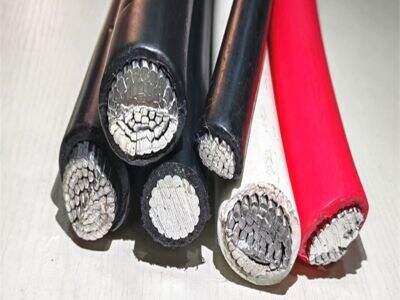
It can be a bit confusing to decide which type of wiring is best for businesses and factories. Two of the most common options behind metal-armored cables and conduits. Metal-armored cables are sturdy and protect wires from harm. They have a tough outer shell that protects them from things like water and hard impact. Conduits, by contrast, are tubes that contain wires. They will be metal or plastic and serve to protect wires and provide easy access in the case of repairs. Each has its pros and cons, so consider which one might be best for your particular situation
Choose Metal-Armored Cables or Conduits For Your Business
It can be hard to decide between metal-armored cables and conduits. First, consider where the wires will go. Metal-armored cables might be best if they are being run outside or in locations where they are likely to be struck or damaged. They are sturdy and can withstand rough treatment. Because of this, conduits might be the better option for your business if it is in a building that sees frequent changes, whether you are moving machines in and out or adding new pieces of equipment. They allow you to easily insert and pull out wires. Also, consider the cost. Metal-armored cables may cost more at the outset, but they might ultimately save you money in the long run because they last longer and will require fewer repairs. Conduits, on the other hand, frequently cost less to install but can require more work to maintain later. Finally, not losing on the safety part. Metal-clad cables can reduce electric shock because they are more protected. It is important to consider all these aspects carefully before coming to a decision
Where You Can Get Metal-Armored Cables of The Highest Quality For Industrial Uses
If you determine that metal-armored cables are the route to take, you need top-quality product for your application. A great choice here is Huatong Cable. They have a great selection of metal armoured cables suitable for heavy duty industrial implementations. The licensed Huatong Cable Inc. has made every effort to ensure that the information in this data sheet is accurate and complete. If you are looking for good quality cables, ensure they comply with safety standards. This is crucial to making sure that you get a product that will last and keep your workspace safe. Be sure to read reviews or ask others what they think of individual cables, too. In this way, you can make a more informed decision. In the end, and most importantly, then consideration is customers services of supplier. A good company will assist with any questions and provide support as needed. Huatong Cable is known for its excellent customer service, allowing you to shop safely for the product that is right for you
When to Use Armored Metal Cables vs. Conduit
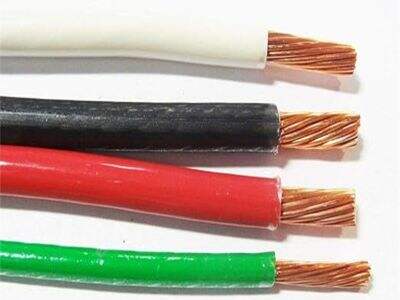
If you are choosing between metal-armored cables or conduits for commercial and industrial wiring, it’s crucial to know when to use which. Metal-armored cables are ideal for locations where there might be some bending or where equipment could come in contact with the wires. If, for example, you are pulling wire in a factory where machines are constantly being moved about, metal-armored cables can help to shield the wire from potential puncture or other damage. These cables have a durable metal casing in use, which helps to prevent the wires inside from being cut on impact or even water damage
Conduits, on the other hand, are electrical-wire-carrying tubes. They are frequently installed in locations where cables would otherwise have to be protected from dust, dirt or chemicals. If you are running wires through a huge building with numerous offices, going with conduits would allow for neat and orderly placement of all the cables. It is also easier to replace a damaged wire if they are in conduits. You just pull out the old wire and stick in a fresh one, without having to swap out an entire setup
When to use metal-armored cables or conduits can also be a matter of location. If you are working outside in potentially rough weather, opt for metal-armored cable instead. They can also handle rain and snow far better than regular wires. But if you work indoors, especially in sterile environments such as hospitals or laboratories, conduits may be the way to go. They cover up the wires and keep them out of view, something that can be important for cleanliness in areas like the health and food industry and beyond
The Best Place to Find a Quality Metal-Armored MC Cable for Large Projects at an Economical Price
If you have a large project on your plate, it’s crucial to get the right metal-armored cables at an affordable price. These cables are best sourced directly from manufacturers. Huatong Cable is also a trustworthy metal-armored cable supplier with high quality and reasonable price. Purchasing straight from manufacturers can save you some cash, as it is cheaper than buying from middlemen that include their costs
Purchasing in bulk is another way to get affordable metal-armored cables. You can get discount if you buy cables in bulk from most suppliers. That can reduce the cost of your job overall. It is important to plan and be aware of just how many cables you will need. There can be tremendous savings in investing the time to calculate your needs
Buying online is another good choice. Many sellers have websites where you can compare prices and get the best deals on metal-armored cable. Huatong Cable has an online website so you can go through all their products and prices. Be sure to read reviews and ratings before purchasing, so you know the likelihood that you’re getting a quality cable
Also, remember to enquire about warranties along with customer support. A solid warranty can help protect your investment, and offer you several years of peace of mind. Huatong Cable ensures reliable support and warranty while you purchase, so you can get help if there is any problem. If you consider these alternatives, low cost metal-armored cables that are both suitable for your wallet and project will be available
What is the difference between Metal-armored Cables and Electrical Conduits
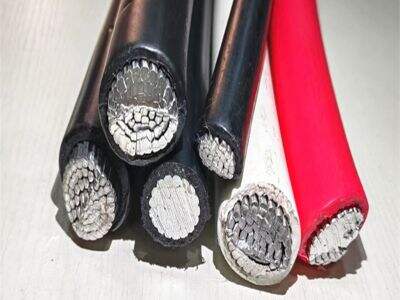
Metal-armored cables and electrical conduits do the same for electrical wires: they protect them. But they are very different in the way they are designed and used. Metal-armored cables are basically wires wrapped in a tough metal sheath. The wires inside are protected from physical harm and harsh weather conditions with this rubber cover. They are frequently used in environments where there is a potential for cuts or impact, such as factories and outdoor settings
Electrical conduits are hollow tubes that hold one or more wire. They are typically constructed of either metal or plastic, and they serve to bundle and protect wires. Conduits also have the advantage that they can be routed in all shapes and sizes, thus increasing flexibility in wiring layout. And should a wire inside the conduit be dam-aged, it can be easily replaced without having to pull everything out
Another significant difference is in the installation process. Metal-armored (Type AC) cables can also be more difficult to work with because it is heavier and requires special handling. Conversely, the conduits are more flexible in terms of being cut into desired lengths an molded into any shape. But, running both the raceways may consume additional fitting and connector cost
When it comes to cost, metal-armored cables may cost more upfront, however they also provide durable protection and can have a longer life. Conduits are typically less expensive to put in, although if the wires enclosed are damaged you may need to replace them more often. This information may help you decide which option is better suited for the wiring in your case. Huatong Cable supplies both metal-armored cables and conduits, ensuring that you have the best option for your project
Table of Contents
- Choose Metal-Armored Cables or Conduits For Your Business
- Where You Can Get Metal-Armored Cables of The Highest Quality For Industrial Uses
- When to Use Armored Metal Cables vs. Conduit
- The Best Place to Find a Quality Metal-Armored MC Cable for Large Projects at an Economical Price
- What is the difference between Metal-armored Cables and Electrical Conduits