 EN
EN

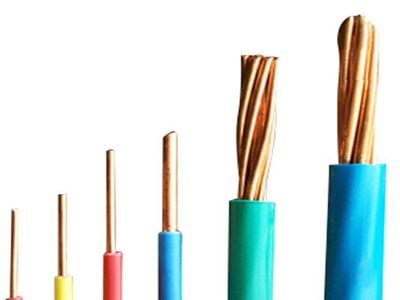
Copper THHN wire, known for its versatility and reliability, is a top choice for both residential and commercial electrical jobs. As a best-selling building conduit wire, it meets the demands of various applications, including power distribution, control systems, and more. When considering a purchase, B2B buyers often have key concerns such as material quality, compliance with standards, and suitability for specific projects. This article will provide essential insights into selecting the right Copper THHN wires, its specifications, sourcing reliable suppliers, installation tips, and common installation issues.
Choosing the Right Copper THHN Wire for Your Project Needs
Selecting the appropriate Copper THHN wire for your project involves understanding its specific characteristics and how they align with your requirements. Copper thhn wire is available in various gauges, typically ranging from 18 AWG to 4/0 AWG, and is designed to handle voltage ratings of up to 600 volts in dry locations.
Key considerations include the wire's insulation type, which affects its resistance to heat and moisture. THHN stands for Thermoplastic High Heat-resistant Nylon-coated, indicating that this wire is suitable for applications where it may be exposed to high temperatures (up to 90°C in dry locations). Its durability makes it ideal for both indoor and outdoor use, but buyers should assess whether the environmental conditions of their specific project may require variations, such as THWN, which offers additional moisture resistance.
Moreover, consider the electrical load your application requires. For instance, heavier loads may necessitate a larger gauge wire to minimize voltage drop and ensure safety. Engaging with a knowledgeable supplier can help clarify these specifications and ensure you make an informed decision.
Key Specifications of Copper THHN Wire for Wholesale Buyers
When purchasing Copper THHN wire in bulk, understanding the specifications is crucial for ensuring compatibility with your projects. Here are some essential specifications and what they mean:
Conductor Material: Copper is chosen for its excellent conductivity, lowering resistance and improving energy efficiency. Buyers should confirm the purity of the copper used, as impurities can affect performance.
Gauge Size: Wire gauge affects the current-carrying capacity. Selecting the correct gauge is vital to prevent overheating and potential fire hazards. Common sizes include 12 AWG for residential wiring and larger gauges for commercial installations.
Insulation Type: The THHN insulation is rated for high heat and is typically resistant to oil and gas. Buyers should ensure that the insulation meets the specific environmental needs of their project, particularly in harsh conditions.
Voltage Rating: Confirm that the voltage rating aligns with your system requirements, especially for high-voltage applications.
Packaging and Length: Copper thhn wire is generally sold in spools or reels. Understanding the length and weight of the wire will aid in logistics planning and inventory management.
Certifications: Ensure that the wire is compliant with relevant industry standards such as UL or CE, as this assures quality and safety.
Understanding these specifications will help you evaluate suppliers effectively and ensure that the wire meets your project standards.
Where to Source Reliable Copper THHN Wire Suppliers?
Finding a dependable supplier for Copper THHN wire is crucial for ensuring quality and timely delivery. Here are some tips for sourcing:
Industry Reputation: Look for suppliers with a proven track record in the industry. Established companies, such as Hebei Huatong Wires Cables Group, often have the necessary certifications and experience to ensure product reliability.
Quality Certifications: Verify that suppliers hold relevant certifications, including UL, CE, and ISO9001. These certifications indicate adherence to international quality standards.
Product Range: A supplier that offers a comprehensive range of wire types will likely provide better customization options and support for specific applications.
Customer Reviews and Testimonials: Research customer feedback and testimonials to gauge the supplier's reliability and service quality.
Sample Approval: Before placing a large order, request samples to assess the wire's performance in your application. This step can help identify any compatibility issues early on.
Lead Time and Delivery Options: Confirm the lead times for orders and inquire about shipping methods to avoid delays in your projects.
By following these guidelines, you can connect with suppliers that meet your business requirements and enhance your project outcomes.
Installation Tips for Copper THHN Wire in Residential and Commercial Use
Proper installation of Copper THHN wire is essential for ensuring safety and efficiency in electrical systems. Here are some practical installation tips:
Follow Local Codes: Always adhere to local electrical codes and regulations to ensure safety and compliance. This may include specific installation techniques, grounding requirements, and conduit usage.
Use Appropriate Tools: Ensure that you have the right tools for cutting and stripping the wire. Using the correct gauge wire cutters and strippers will prevent damage to the wire and ensure clean cuts.
Temperature Considerations: When installing in areas subject to extreme temperatures, confirm that the wire’s insulation can withstand the conditions to prevent degradation.
Avoid Overloading Circuits: Calculate the total load on the circuit to prevent overheating and potential failure. Utilize wire gauges that can handle the anticipated load without risk.
Secure Connections: Ensure all connections are tight and secure. Loose connections can lead to overheating and electrical failures.
Conduct Testing: After installation, conduct tests to verify that the system operates as intended. This includes checking for continuity and ensuring there are no shorts in the wiring.
By following these installation tips, you can help ensure the reliability and safety of your electrical systems.
Common Installation Problems with Copper THHN Wire and Solutions
Despite its many advantages, installing Copper THHN wire can present challenges. Here are some common problems and their solutions:
Wire Damage During Installation: Handling wire improperly can lead to insulation damage or conductor breaks. Always use the appropriate tools and techniques to prevent this. If damage occurs, replace the affected sections before proceeding to avoid safety hazards.
Voltage Drop Issues: In long runs, voltage drop can affect performance. To minimize this, select a larger gauge wire or reduce the length of the run when possible. Calculating the expected voltage drop can help guide these decisions.
Moisture Intrusion: In installations exposed to moisture, such as outdoor settings, ensure that you use THWN (Thermoplastic Heat and Water-resistant Nylon-coated) wire instead of standard THHN wire. This will provide the necessary moisture resistance.
Poor Connections: Inadequate connections can lead to heat buildup and potential failure. Always ensure connections are made using compatible connectors and are properly tightened.
Misalignment with Electrical Standards: Not adhering to electrical codes can result in installation failures. Always consult local electrical standards before installation to ensure compliance.
By being aware of these common issues and their solutions, buyers can prevent complications during installation and ensure a safer, more reliable electrical system.
With a solid understanding of Copper THHN wire, its specifications, sourcing, installation, and potential challenges, B2B buyers can make informed decisions tailored to their project needs.
Table of Contents
- Choosing the Right Copper THHN Wire for Your Project Needs
- Key Specifications of Copper THHN Wire for Wholesale Buyers
- Where to Source Reliable Copper THHN Wire Suppliers?
- Installation Tips for Copper THHN Wire in Residential and Commercial Use
- Common Installation Problems with Copper THHN Wire and Solutions