 EN
EN

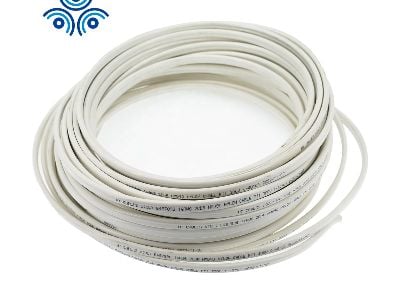
THWN Aluminum Wire Installation Best Practices and Common Mistakes in Damp Basements
Installing in a damp basement requires careful planning and proper installation techniques. Although THWN wire is designed for wet and damp environments, improper installation can reduce its performance, create safety hazards, and shorten its service life. At Huatong Cable, we understand the importance of using the correct installation methods to ensure reliable electrical performance in challenging environments. By understanding common mistakes and following industry best practices, contractors and wholesale buyers can avoid costly repairs and maintain safe electrical systems.
What Wholesale Buyers Need to Know About THWN Aluminum Wire Installation Mistakes?
Wholesale buyers should understand that even high-quality THWN aluminum wire can fail if it is installed incorrectly. One of the most common mistakes is failing to verify the wire's specifications before installation. While THWN wire is rated for wet and damp locations, it must be installed according to manufacturer recommendations and local electrical codes. Using incorrect connectors is another frequent issue. Aluminum conductors require connectors specifically approved for aluminum wire to ensure proper electrical contact. Using incompatible connectors may result in loose connections, increased electrical resistance, overheating, and possible equipment failure.
Proper cable support is equally important. Wires that are not securely fastened can move inside conduits or become damaged during normal building activity. In damp basements, excessive movement may also expose the wire to moisture or mechanical stress. Secure the wire with approved supports and fasteners designed for electrical installations. Skipping conduit protection is another costly mistake. Although aluminum wire insulation is moisture-resistant, installing the wire inside suitable PVC or metal conduit provides additional protection against water intrusion, physical damage, and corrosion. Conduit also helps extend the life of the electrical system. Conduit fill should never be overlooked. Overcrowding too many conductors into one conduit restricts heat dissipation and may lead to overheating. Always follow electrical code requirements regarding conduit fill capacity and conductor ampacity adjustments. Finally, wholesale buyers should ensure every installation complies with local electrical codes and inspection requirements. Code compliance improves safety while helping avoid expensive corrections or project delays.
How Common Usage Issues Affect the Performance of THWN Aluminum Wire in Basements?
Basements present several environmental conditions that can affect the long-term performance of THWN aluminum wire. Moisture is one of the biggest concerns. While THWN insulation resists water, moisture entering electrical connections can still cause corrosion, increased resistance, short circuits, or equipment failure. Waterproof connectors, properly sealed junction boxes, and heat-shrink tubing help protect critical connection points. Temperature fluctuations also influence wire performance. Cold temperatures may make certain installation materials less flexible, while repeated expansion and contraction can gradually loosen electrical connections. Proper installation torque and periodic inspections help minimize these effects. Routine maintenance is often overlooked. Regular inspections can identify early signs of moisture intrusion, loose terminals, damaged insulation, or corrosion before they become serious safety hazards. Preventive maintenance significantly extends the service life of the wiring system. Poor basement ventilation creates high humidity levels that accelerate corrosion and increase condensation around electrical equipment. Improving airflow or installing a dehumidifier can help maintain a safer environment for electrical installations. Physical damage is another common issue. Heavy storage boxes, shelving, or construction materials placed against exposed conduit or wiring can damage the installation over time. Keeping electrical pathways clear helps protect the wiring and ensures long-term reliability.
What Are the Best Practices for Installing THWN Aluminum Wire in Damp Environments?
Successful installation of THWN aluminum wire begins with selecting high-quality cable from a trusted manufacturer such as Huatong Cable. Before installation, carefully inspect the wire for cuts, abrasions, dents, or other shipping damage. Damaged insulation should never be installed, particularly in damp environments where moisture protection is critical. Whenever possible, route wiring through approved conduit systems to keep conductors elevated and protected from standing water and accidental impact. PVC conduit is commonly recommended for damp basements because it provides excellent moisture resistance and corrosion protection. Use only connectors, terminals, and junction boxes specifically rated for cable wire conductors and wet locations. Properly torque all electrical connections according to the manufacturer's specifications to prevent loose connections and overheating. After completing the installation, test the system using appropriate electrical testing equipment such as a multimeter or insulation resistance tester. Confirm proper continuity, insulation integrity, and voltage levels before placing the circuit into service. Following these best practices helps maximize safety, improve system reliability, and extend the service life of the installation.
Where Common Installation Mistakes Occur for Wholesale Buyers
Several installation mistakes occur repeatedly among wholesale buyers and contractors working with THWN aluminum wire. One common mistake is selecting the wrong wire type for the application. Not every aluminum conductor is suitable for damp environments, so buyers should verify that the wire is properly rated before purchasing. Improper storage can also reduce product quality before installation begins. THWN aluminum wire should be stored indoors in a dry, temperature-controlled location while remaining in its original protective packaging. Exposure to excessive moisture, direct sunlight, or physical damage during storage can compromise insulation performance.
Ignoring local electrical regulations is another serious error. Electrical codes specify conductor sizing, conduit fill, grounding requirements, and installation methods. Compliance helps ensure safe operation and successful inspections. Many installation problems also result from rushing the work. Careful routing, secure fastening, accurate connector installation, and thorough testing require time. Taking the extra time to complete each step correctly helps prevent expensive repairs and future electrical failures.
What Common Usage Issues Should You Watch for with THWN Aluminum Wire in Basements?
Even after proper installation, periodic inspection remains essential for maintaining THWN aluminum wire in damp basements. Corrosion is one of the most common long-term concerns. Although THWN insulation resists moisture, prolonged exposure to excessive humidity or water intrusion can eventually affect aluminum conductors and connection points. Regular inspections help identify corrosion before it impacts system performance. Loose electrical connections may also develop over time due to thermal expansion, vibration, or normal building movement. Loose terminals create resistance, which generates heat and increases the risk of electrical failure. Periodically checking and tightening approved connections helps maintain safe operation. Damaged insulation should never be ignored. Cracks, cuts, or abrasions expose conductors to moisture and increase the likelihood of short circuits or ground faults. Any damaged wire should be replaced immediately to maintain electrical safety. Routine inspection, proper maintenance, and correct installation practices allow THWN aluminum aluminum wire from Huatong Cable to provide dependable performance for many years, even in damp basement environments. By following recommended installation guidelines and monitoring common usage issues, wholesale buyers and contractors can ensure safe, efficient, and long-lasting electrical systems.
Table of Contents
- What Wholesale Buyers Need to Know About THWN Aluminum Wire Installation Mistakes?
- How Common Usage Issues Affect the Performance of THWN Aluminum Wire in Basements?
- What Are the Best Practices for Installing THWN Aluminum Wire in Damp Environments?
- Where Common Installation Mistakes Occur for Wholesale Buyers
- What Common Usage Issues Should You Watch for with THWN Aluminum Wire in Basements?